
Work-Life Integration in IT Corridors: Living Near Ecospace, RMZ & ITPL in East Bangalore
Register Your EOI Now / Book Your Site Visit
What Defines IT Corridor Living in East Bangalore?
Living in the IT Corridor of East Bangalore means being part of vibrant residential communities that are conveniently close to major job hubs like Embassy Tech Village, RMZ Ecospace, International Tech Park Bangalore, and the expansive Electronic City area, usually within a 3 to 12 km range.
Unlike the central business districts that grew up naturally over time, East Bengaluru’s IT Corridor was carefully planned with tech parks and special economic zones. This thoughtful development led to homes sprouting up in response to job opportunities, rather than the usual outward spread from the city center.
Currently, this corridor features:
- More than 4 to 5 lakh direct IT and tech-enabled jobs
- A range of Grade A commercial campuses
- Strong rental absorption figures
- Steady demand for mid-to-premium housing
It’s important to understand this job-driven growth pattern when assessing the residential market in this region.
Employment Density: The Backbone of Housing Demand
In East Bengaluru, the demand for housing isn’t just a trend; it’s driven by solid employment opportunities.
Key employment hubs include:
- Embassy Tech Village – Bellandur/ORR belt
- RMZ Ecospace – ORR corridor
- International Tech Park Bangalore – Whitefield
- Wipro SEZ – Sarjapur Road
- Electronic City – Hosur Road belt
These areas are home to major players like Infosys, Wipro, Accenture, SAP Labs, Cisco, JP Morgan, and Intel.
When jobs are spread out across various locations, residential development tends to create a “belt” instead of clustering in one spot. This is why the stretch between Whitefield and Sarjapur has evolved into a well-rounded residential corridor.
Commute Time Compression: Why Minutes Matter More Than Kilometres
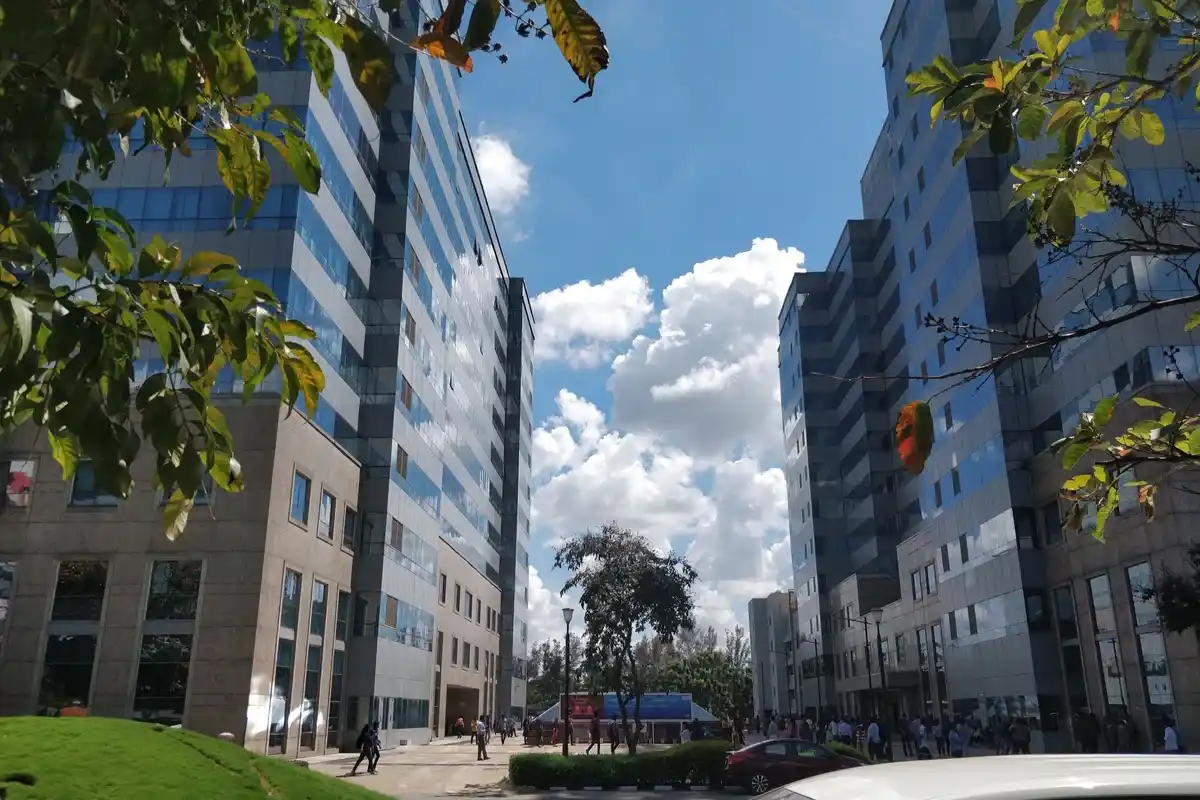
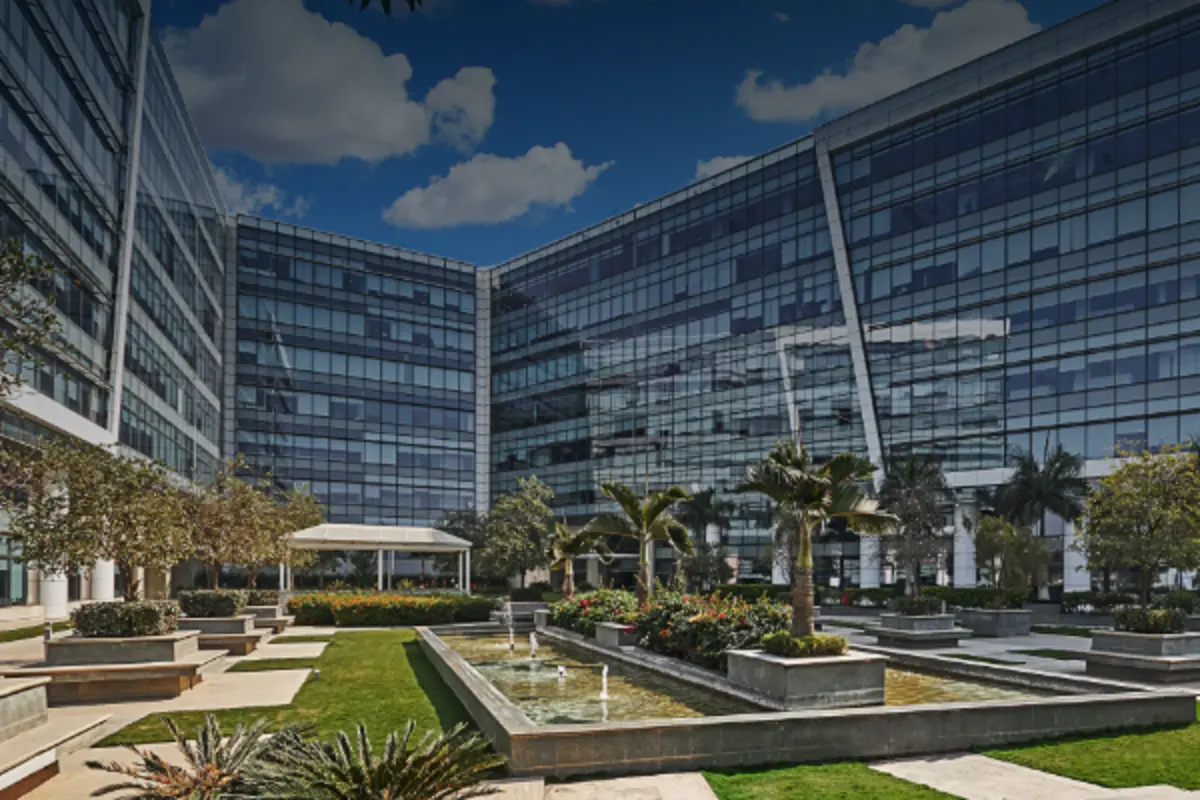
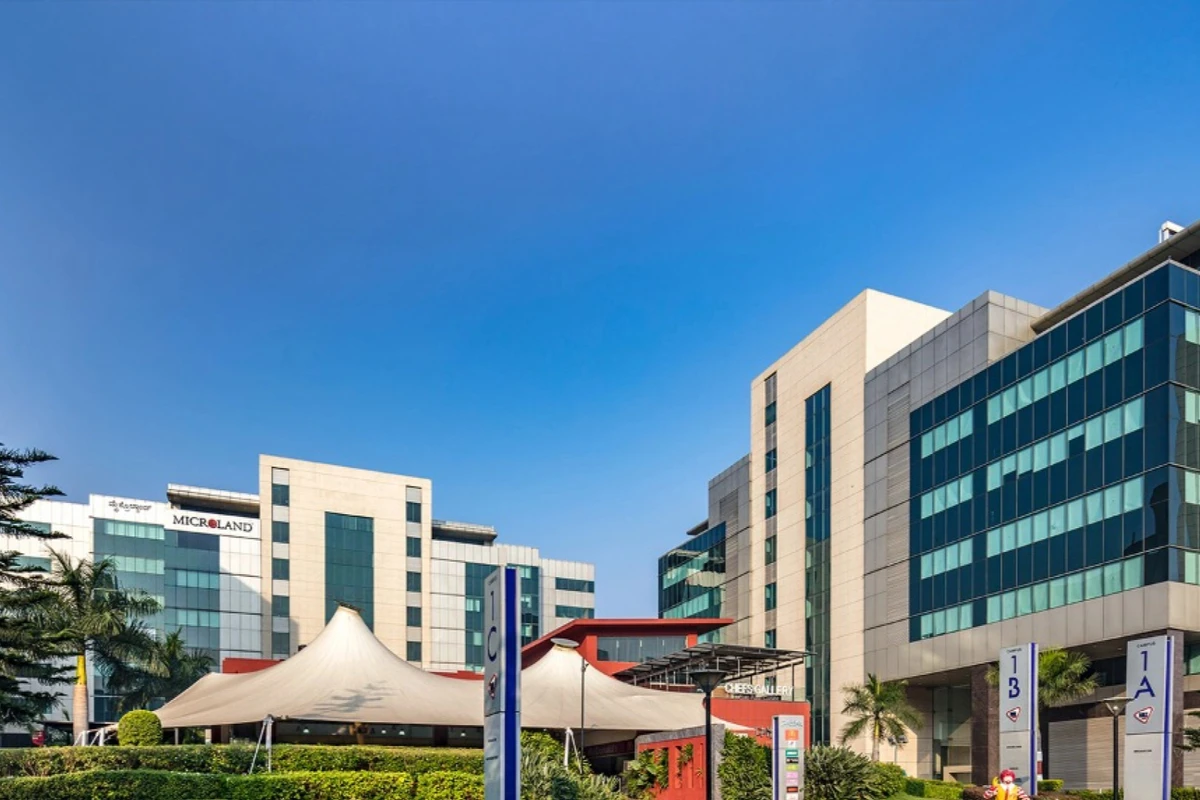
In areas driven by technology, the time spent commuting tends to weigh more heavily on housing decisions than the distance itself.
0 - 3 km Radius
- Higher prices
- Severe congestion during peak hours
- Frequent rental turnover
- Limited availability of larger properties
5 - 8 km Radius
- 20–35 minute commute during rush hour
- More organized residential designs
- Reduced noise and traffic
- Better value for space
10 - 12 km Radius
- Affordable ticket sizes
- A bit longer commute (35–50 minutes during peak hours)
- Increasing influence of infrastructure
This 5–8 km area often turns into the “work-life balance zone,” providing connectivity without the heavy congestion found on the ORR.
For those professionals working in the ORR tech parks but looking for bigger homes and township amenities, this mid-corridor location becomes quite appealing.
Hybrid Work Culture & Configuration Shift
From 2020 to 2024, the rise of hybrid work policies has had a major impact on housing demand.
Before 2020:
- 2 BHK apartments were the most popular choice
- Buyers preferred smaller price points
- There was a strong preference for central locations
After 2020:
- The share of 3 BHK apartments jumped to about 40–45% in new launches in East Bengaluru
- Dedicated study spaces became increasingly popular
- There was a growing emphasis on balconies and outdoor areas
Living in East Bangalore’s IT Corridor today means:
- Workspaces that can adapt to your lifestyle
- Internal areas for recreation
- Amenities that build community connections
- Less need to venture into the city for fun
Township-style developments along the corridor have responded to this shift with:
- Multiple clubhouses for socializing
- Jogging trails for fitness enthusiasts
- Sports facilities for active lifestyles
- Integrated green spaces that enhance the environment
Rental Stability in IT Corridors
One of the key signs that housing is supported by employment is the resilience of rental markets.
Looking at rental trends in East Bengaluru for the years 2025–2026, we see:
- 2 BHK apartments going for ₹30,000–₹45,000 a month, depending on how close they are to the ORR or the Whitefield area.
- 3 BHK units in premium gated communities range from ₹45,000 to ₹70,000 a month.
In the IT corridors, we typically observe:
- Quicker tenant turnover
- Shorter vacancy periods
- Consistent rental growth year after year
This rental resilience helps keep residential markets stable, even during economic downturns.
Unlike speculative areas on the outskirts, IT-driven corridors maintain their occupancy rates because employment serves as a solid foundation.
Living Between Whitefield, ORR & Electronic City: The Strategic Middle
The Whitefield–Sarjapur area really stands out for its prime location.
From this spot, you can reach:
- Whitefield ITPL belt: just 20–30 minutes away ORR
- Ecospace zone: around 25–35 minutes
- Electronic City Phase I: about 30–40 minutes (whether you take Hosa Road or the elevated corridor)
This three-way connectivity gives you plenty of options.
If you work at:
- Embassy Tech Village
- RMZ Ecospace
- International Tech Park Bangalore
you can easily live in a central residential area without being tied down to just one job location.
This setup is much more advantageous than living in single-anchor micro-markets.
Strengthening the IT Corridor's Infrastructure
The corridor is being strengthened through:
- The alignment of the Peripheral Ring Road (PRR)
- Widening of the 150-ft CDP road
- Ongoing metro network expansion
Infrastructure alone might not create demand, but it definitely boosts the attractiveness of job-driven corridors.
The combination of:
- Employment density
- Road network enhancements
- Township-scale supply
results in sustainable residential ecosystems rather than just isolated apartment buildings.
Demand Evolution: From Rental Clusters to Ownership Corridors
2016–2019 :
- Most IT employees were keen on renting close to ORR.
2021–2026 :
- We’re seeing a noticeable shift from renting to owning homes within a 5–10 km radius.
- Households with dual incomes are making bigger purchases.
- Demand is stabilizing in well-planned residential areas.
This shift sheds light on the rise of large-scale developments along the Whitefield–Sarjapur corridor.
Projects like Abhee Codename New Dimension are a reflection of this broader trend in employment-driven housing, rather than just being random additions to the market.
Economic Resilience of IT Corridor Housing
Residential markets linked to employment corridors demonstrate:
- A quicker recovery after downturns
- Lower levels of unsold inventory
- More consistent absorption cycles
East Bengaluru’s IT scene is quite diverse, featuring:
- Tech parks along the ORR
- The bustling Whitefield ITPL
- Clusters in Electronic City
- Campuses in the Sarjapur SEZ
This multi-anchor employment strategy helps to minimize volatility.
When one tech park slows down hiring, others are still growing, which helps maintain demand across the corridor.
Why IT Corridor Living Is Structurally Sustainable (2026–2030 Outlook)
As we look to the future, three key factors will shape sustainability:
- Ongoing IT hiring in East Bengaluru clusters
- Finalizing mobility upgrades (like PRR and CDP grid formalization)
- A growing preference for integrated residential formats
Living in the IT Corridor of East Bangalore isn’t just about being “close to the office” anymore. It’s now about:
- Predictable commutes
- Flexibility for hybrid work
- Amenities that cater to the community
- Easy access to education and healthcare within a 5–10 km radius
This holistic approach to living sets apart employment-driven corridors from those that are just speculative expansions.
Frequently Asked Questions (FAQs)
1. What does IT Corridor Living in East Bangalore mean?
It refers to residential neighborhoods that are conveniently located within a practical commuting distance (3–12 km) from major tech parks like Embassy Tech Village, RMZ Ecospace, ITPL, and Electronic City.
2. Why are IT corridors a popular choice for residential investments?
The demand is largely driven by job opportunities, which results in stable rental absorption, consistent resale interest, and a lower risk of vacancies.
3. What’s the ideal distance from IT hubs for living?
A distance of 5–8 km usually strikes the perfect balance between a reasonable commute time (20–35 minutes during peak hours) and a comfortable living environment.
4. Is this corridor a good option for long-term residential living?
Yes, its close proximity to IT hubs, international schools, hospitals, and ongoing infrastructure improvements makes it a great choice.
5. Does hybrid work affect housing demand in IT corridors?
Yes, the rise of hybrid work has led to a greater need for bigger homes, dedicated study areas, and well-integrated amenities in residential communities.
Recent Posts
-
Whitefield Sarjapur Road Real Estate Growth Analysis 2026
-
Property Price Appreciation in East Bangalore: Sarjapur-Whitefield ROI Trends Since 2020
-
Gunjur–Varthur Micro-Market Growth Analysis (2026 Outlook): From Peripheral Village to Growth Node
-
EOI Open for Abhee Codename New Dimension: Price Lock & Priority Before Launch
-
Abhee Codename New Dimension Tentative Launch Date 2026
-
Abhee Celestial City Phase 2