
Register Your EOI Now / Book Your Site Visit
townships vs apartment projects east bangalore
Urban residential development has seen some major changes over the last twenty years. As cities grow and the demand for housing rises, today’s buyers are taking a closer look at various types of residential communities before settling on a long-term choice. A common question that comes up for homebuyers is the difference between a township and an apartment project.
While both options offer residential living, they differ significantly in terms of planning scale, infrastructure, and lifestyle. Apartment projects tend to be more compact, built on smaller plots of land, while township developments are expansive, designed as large, integrated communities that include housing, recreational areas, and essential infrastructure all within one master plan.
Understanding the differences between these two formats can really help homebuyers make smart choices about long-term livability, community design, and future urban development.
Understanding Township Developments
A residential township is a large, well-planned community that covers a significant piece of land, usually anywhere from 30 acres to over 100 acres. Instead of just focusing on residential towers, township planning brings together a variety of features to create a self-sufficient living environment.
Typically, you’ll find:
- groups of homes or apartment buildings
- a network of internal roads
- open green spaces
- recreational facilities
- community infrastructure like clubhouses and sports amenities
Because of their size, these developments are designed with long-term urban planning in mind, ensuring a balanced mix of built areas, parks, and community spaces.
In the rapidly growing residential corridors, these integrated developments are becoming increasingly popular. Recently, we have seen the rise of several Master Planned Townships in East Bangalore, indicating a shift towards larger residential planning on expansive land parcels.
What Defines a Standard Apartment Project?
A standard apartment project is often developed on smaller land parcels, typically between 1 and 10 acres, based on the location and zoning laws. These projects usually feature a limited number of residential towers that are arranged around shared amenities such as a clubhouse, parking areas, and landscaped spaces
The primary aim of apartment developments is to optimize land use in densely populated urban areas. Given that land is often limited in established neighborhoods, vertical construction helps developers accommodate more homes within smaller footprints.
Apartment projects typically share a few key characteristics, including:
- centralized amenities
- less open space than larger townships
- straightforward internal layouts
- tight-knit residential communities
These developments are usually ideal for locations where easy access to jobs and urban facilities is essential.
Land Parcel Size and Urban Planning Flexibility
A major factor that sets township projects apart from apartment developments is the size of the land parcel. With larger parcels, township developers can craft communities that offer more flexibility in their planning.
On the flip side, smaller apartment buildings tend to be situated close to one another due to space restrictions. This results in parking lots, driveways, and amenities all vying for the limited space available.
Townships, in contrast, give planners the ability to distribute land in a smart way across various uses, including:
- residential clusters
- recreational zones
- landscaped parks
- pedestrian pathways
- community activity areas
This kind of spatial flexibility helps townships keep a lower perceived density and create more open spaces, even while supporting large residential populations.
Integrated Infrastructure in Township Communities
A key characteristic of township developments is their integrated infrastructure planning. Given that these communities are built on a larger scale, the infrastructure is thoughtfully distributed across the area instead of being concentrated in one location.
Townships usually feature:
Multiple Amenity Zones
Instead of just one clubhouse, larger developments might have several recreational areas spread throughout the township.
Internal Road Networks
Wide internal roads facilitate better circulation and effectively separate pedestrian pathways from vehicle traffic.
Spacious Outdoor Areas
Parks, walking trails, and gardens are part of the design, inviting residents to engage in outdoor activities and socialize.
Recreational Facilities
Sports courts, jogging tracks, and activity zones are commonly found throughout the development.
These elements help cultivate a balanced community that enhances daily living for its residents.
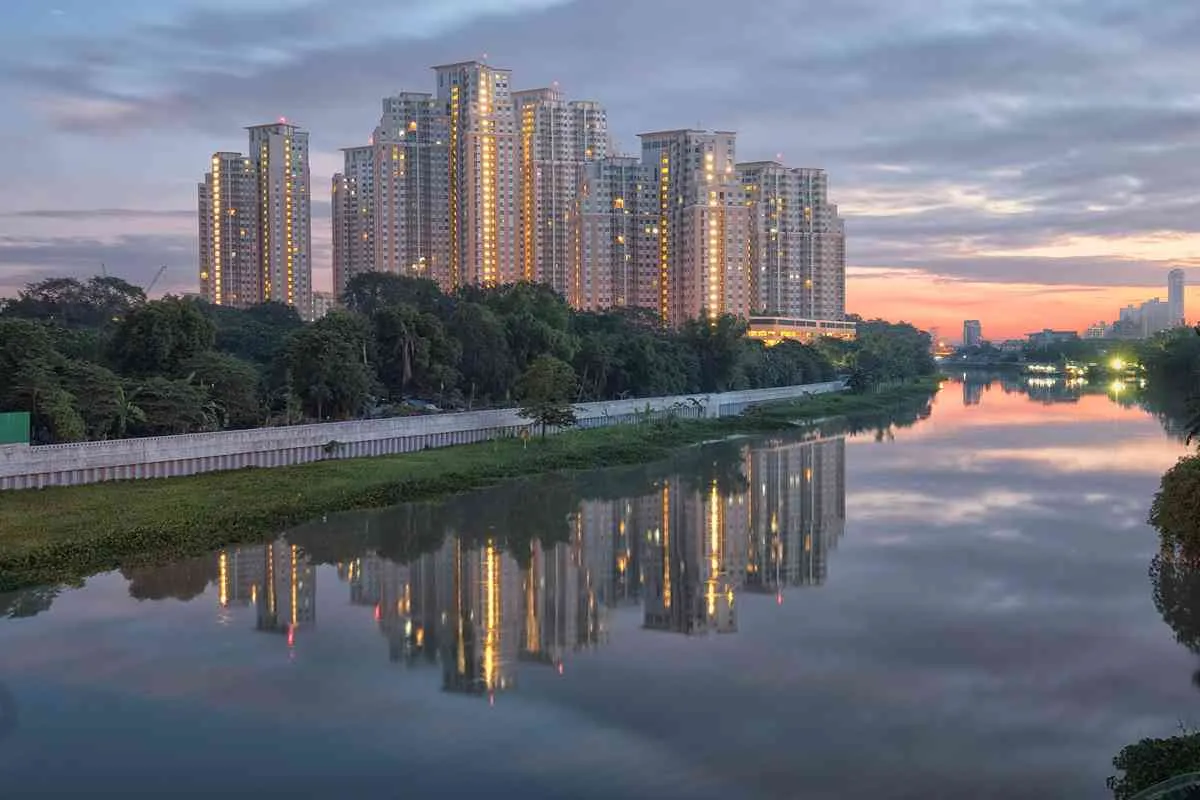
Lifestyle Environment and Community Interaction
Township developments are typically designed to encourage community interaction and outdoor living. With open spaces, walking trails, and social gathering areas, residents are invited to engage with both their environment and their neighbors.
Many larger developments also incorporate distinct architectural or thematic elements to establish a recognizable identity. A great example is a Scottish-themed township in Bangalore, where the architecture, landscaping, and community spaces are all thoughtfully designed around a cohesive visual theme inspired by European planning.
In contrast, apartment projects tend to focus more on efficient layouts, which often means there’s less opportunity for expansive landscapes or thematic planning.
Long-Term Urban Growth and Township Development
Townships are frequently emerging in up-and-coming residential corridors, where there’s ample land and urban infrastructure is expanding. These regions often transition gradually from being on the outskirts to becoming vibrant residential hubs.
Large-scale developments in these areas are strategically planned with future urban growth in mind, ensuring they can support a larger population as time goes on.
Recent projects, such as Abhee Codename New Dimension, also introduced as Abhee Celestial City Phase 2 in Bengaluru’s eastern growth corridor, highlight the trend of township-scale planning across extensive land parcels. These initiatives demonstrate how integrated residential planning can harmoniously combine housing, community amenities, and landscape design within a cohesive framework.
Township vs Apartment Project: Key Differences Explained
Understanding the main differences between these two housing options can assist buyers in determining their priorities.
| Feature | Township Development | Apartment Project |
|---|---|---|
Land Size |
Large land parcels (30+ acres) |
Smaller parcels (1–10 acres) |
Planning |
Integrated community planning |
Building-focused planning |
Infrastructure |
Distributed amenities and infrastructure |
Centralized amenities |
Centralized amenities |
Extensive landscaped areas |
Limited open space |
Lifestyle Environment |
Community-oriented with outdoor spaces |
Compact urban living |
Each type meets various residential needs, influenced by location, lifestyle preferences, and long-term planning goals.
How Homebuyers Can Evaluate the Right Option
When it comes to deciding between a township and an apartment project, there are a few important factors that buyers should consider.
Location and Accessibility
Properties that are situated near established urban areas might be smaller due to limited land availability, whereas township developments are typically found in growing residential zones.
Lifestyle Choices
For those who value open spaces, recreational facilities, and a sense of community, township living might be the better option.
Long-Term Development Potential
In regions where infrastructure is on the rise, it’s common to see an increase in township developments. This is because larger land parcels become accessible, paving the way for better planning.
This self-sufficiency is a big reason why townships are particularly attractive to NRI buyers. With amenities, security, and the maintenance of common areas handled at the community level instead of by individual apartment associations, there’s less pressure on owners to be physically present. Check out our NRI Buyers Guide for a comprehensive look at everything from booking remotely to the repatriation process.
Being aware of these elements can guide buyers in picking a residential setting that aligns with their future living goals.
The Future of Residential Planning
As urban areas continue to grow, the importance of creating balanced residential spaces will only increase. Township developments are a promising approach to this challenge, integrating housing with recreational amenities, landscaped areas, and community hubs.
In established cities where land is at a premium, apartment projects will still play a key role. However, as cities extend their reach, township developments are expected to gain traction in new residential corridors.
This evolution in residential planning highlights a significant shift in urban housing, moving from individual structures to more interconnected community environments.
Key Takeaways for Homebuyers
Township developments are expansive communities built with a focus on long-term planning and integration.
Apartment projects, however, are more compact and tailored for dense urban living.
The decision between a township and an apartment project ultimately depends on your lifestyle, location preferences, and your long-term living objectives.
We’re noticing a trend where emerging residential corridors are embracing township-scale developments, thanks to available land and expanding infrastructure.
Understanding these differences enables buyers to see residential communities not just as structures, but as thoughtfully planned environments that enhance everyday life.
For those interested in township living in Bangalore’s expanding growth corridors, projects such as Assetz Codename Sublime, Godrej Vanantara, and Brigade Whitefield Hoskote Road showcase the innovative approach to integrated residential planning that’s shaping the future of urban life in the city.a
Frequently Asked Questions (FAQs) On Township vs Apartment Projects
1. What is a township in real estate?
A township is essentially a large-scale residential area created on a vast piece of land, designed with a comprehensive plan in mind. These communities typically encompass homes, necessary infrastructure, recreational facilities, and green open spaces, all harmoniously integrated.
2. How is a township different from an apartment project?
The primary difference is in their size and planning approach. Townships are expansive developments that cover large land parcels with a variety of infrastructure and amenities, while apartment projects are generally smaller, featuring centralized amenities and more compact layouts.
3. Are township projects better than apartment projects?
It really depends on your location and personal lifestyle choices. Townships provide more spacious outdoor areas and a well-thought-out design, whereas apartment projects might offer closer access to existing urban amenities.
4. Why are townships becoming more popular in expanding cities?
With cities expanding outward, there’s more land available in up-and-coming residential areas. This allows developers to create well-planned communities that seamlessly integrate homes, recreational facilities, and necessary infrastructure into one development.
5. What should buyers consider when choosing between a township and an apartment project?
Buyers need to weigh several important factors, such as location, connectivity, lifestyle choices, community size, and the long-term growth potential of the area. This will help them select the residential option that aligns best with their needs.