
What Is a Master-Planned Township and Why It Matters in East Bangalore
Register Your EOI Now / Book Your Site Visit
A master-planned township is a comprehensive residential development that’s designed to function as a self-contained urban ecosystem. In these townships, everything from homes to infrastructure, amenities, green spaces, and daily conveniences is thoughtfully planned from the ground up. This stands in contrast to fragmented developments that emerge in isolation; master-planned townships are built with a long-term vision that prioritizes accessibility, livability, and sustainable growth.
In the rapidly expanding urban landscape of East Bangalore, master-planned townships are gaining traction. Projects like Abhee Codename New Dimension, also known as Abhee Celestial City Phase 2, exemplify this planning strategy by harmoniously blending residential areas with open spaces, social infrastructure, and cutting-edge connectivity.
Understanding the Concept of a Master-Planned Township
A master-planned township is characterized by its all-encompassing planning strategy. Rather than just concentrating on individual structures, the entire township is envisioned as a cohesive unit, often covering vast expanses. Before any building begins, crucial aspects like road networks, drainage, utilities, recreational facilities, and zoning are meticulously planned.
This thoughtful approach helps to ease long-term infrastructure pressures and guarantees that as residential areas grow, they’re accompanied by the necessary services. In cities like Bangalore, where unplanned growth has historically resulted in traffic jams and uneven development, township planning offers a much-needed structural equilibrium.
Why East Bangalore Is Experiencing a Rise in Township Developments
East Bangalore has emerged as one of the city’s most significant growth corridors, thanks to its proximity to key employment hubs, technology parks, and major road networks. Areas like Whitefield, Varthur Road, and Sarjapur Road have transformed from peripheral zones into vibrant residential and commercial districts.
With land becoming scarce in the city center, the larger, contiguous plots in East Bangalore allow developers to pursue township-scale planning. This makes the area ideal for integrated projects such as Abhee Codename New Dimension, which align residential density with thoughtful open space design.
Core Components of a Master-Planned Township
Residential Zoning
In a township, residential areas are usually arranged in clusters or towers, with landscaped buffers and internal roads in between. This setup not only provides privacy but also keeps the space feeling open and airy.
Open Spaces and Green Networks
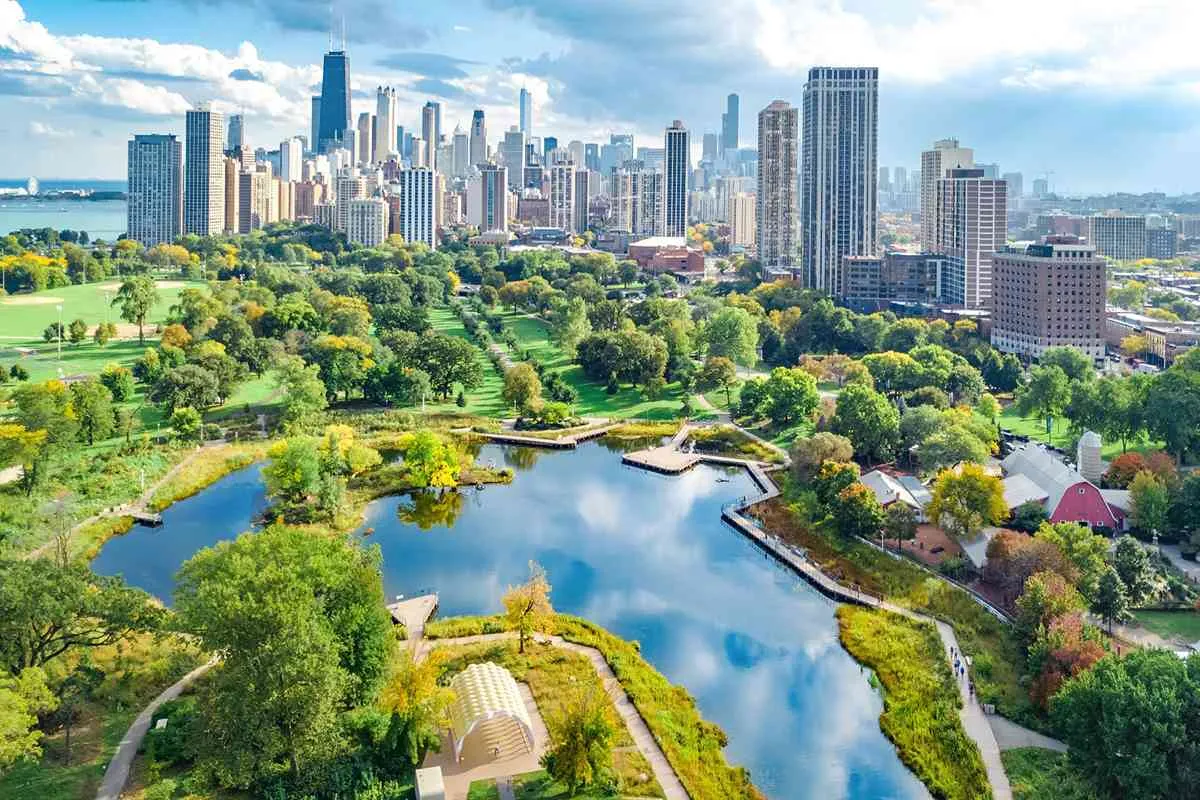
A standout characteristic of master-planned communities is their focus on open spaces. Parks, gardens, walking paths, and water features are strategically placed to create green corridors that improve the local climate and overall livability.
Social and Lifestyle Infrastructure
Townships typically feature clubhouses, sports facilities, wellness areas, and community gathering spots. These amenities are thoughtfully designed to ensure they’re easily accessible to all residents, preventing any one area from becoming too crowded.
Internal Circulation and Mobility
Having well-planned internal road systems, along with pedestrian paths and bike lanes, can really cut down on the need to rely on outside infrastructure for short trips. This enhances safety and adds a layer of convenience to our daily routines.
The Role of Infrastructure-Led Planning
Infrastructure-led planning means coordinating residential development with existing and upcoming connectivity upgrades, including arterial roads, ring roads, and public transit systems. In East Bangalore, initiatives like CDP roads, ring roads, and metro expansions significantly shape the layout and accessibility of townships.
For example, Abhee Codename New Dimension is strategically located in an infrastructure-focused zone, where future connectivity enhancements are already integrated into the city’s development plans.
How Master Planning Impacts Daily Living
Looking at it from a resident’s perspective, the benefits of township planning are evident in our everyday lives. Shorter travel times within the community, access to parks, and closeness to schools or healthcare facilities all help create a more balanced lifestyle.
Rather than having to navigate through scattered neighborhoods for their daily necessities, residents of master-planned developments enjoy a well-structured environment that supports smooth movement and long-term comfort.
Long-Term Urban Value of Township Developments
From the perspective of urban planning, master-planned townships play a key role in creating more stable real estate environments. By spreading out density, keeping open spaces intact, and incorporating various amenities, these developments tend to age more gracefully.
In areas like Varthur–Sarjapur Road, townships help shape the character of neighborhoods and often serve as benchmarks for future development trends. This leads to steady demand and ongoing significance within the urban landscape.
East Bangalore Townships and Market Behavior
In East Bangalore, the residential market is leaning more towards integrated developments instead of standalone buildings. This trend is particularly noticeable among end users who are looking for long-term homes. Township-scale projects are becoming increasingly popular with families and professionals who value thoughtful planning, safety, and a strong sense of community.
Abhee Projects Bangalore is a prime example of this shift, showcasing a move towards well-organized residential environments rather than haphazard growth.
Master Planning vs. Standalone Residential Projects
Standalone residential projects usually depend on the existing infrastructure for things like roads, utilities, and community services. On the other hand, master-planned townships take care of many of these needs internally, which means they rely less on outside resources.
This difference is particularly important in rapidly growing areas, where the necessary civic infrastructure might lag behind the increasing population. By minimizing the need for external management, master-planned townships become a particularly sensible option for NRI buyers. The daily upkeep and maintenance of shared spaces are managed at the township level, which means no constant coordination from overseas is necessary. For more information, take a look at our NRI Buyers Guide.
Environmental and Sustainability Considerations
In today’s world, township planning is increasingly focused on sustainability. This includes practices like rainwater harvesting, effective sewage treatment, waste management systems, and energy-efficient layouts. Implementing these features is often simpler on a township scale than in standalone projects.
Additionally, incorporating expansive green buffers and water bodies contributes to regulating temperatures and enhancing environmental resilience.
How Township Planning Aligns with Future Urban Growth
Cities don’t just change overnight; they evolve over many years. That’s why master-planned developments are created with a long-term vision. With phased construction, designated areas for future development, and flexible zoning, townships can adapt to the shifting needs of urban life without causing disruption for current residents.
This flexibility is a big reason why integrated developments stay relevant, even as the surrounding areas become more densely populated.
The Significance of Master-Planned Living at Abhee Codename New Dimension
As part of a grander township vision, Abhee Codename New Dimension embodies a strategic approach to residential development in East Bangalore. Its layout, zoning, and relationship with the surrounding region are in line with the principles we’ve talked about.
Referred to as Abhee Celestial City Phase 2, this project illustrates how contemporary township planning fosters both immediate comfort and long-term urban cohesion.
Conclusion
Think of a master-planned township as more than just a place to live; it’s a comprehensive urban design that promotes sustainable growth, smart use of infrastructure, and a better quality of life. In East Bangalore, where the city is evolving at a breakneck pace, these township developments are vital for establishing a structured urban experience.
By understanding this planning method, you gain important context for evaluating residential projects in the region, including those brought to life by Abhee Projects Bangalore. Further, as East Bangalore continues to rise as a favored residential area, buyers can also look into Godrej Melange on Sarjapur Road, a premium community by Godrej designed for a connected, lifestyle-centric urban experience.
Frequently Asked Questions (FAQs) on Master-Planned Township Living in East Bangalore
1. What is a master-planned township?
A master-planned township is a large residential area designed with homes, roads, parks, and amenities all in mind, creating a self-sufficient living space for its residents.
2. Why are master-planned townships important in East Bangalore?
As East Bangalore continues to grow quickly due to the rise of IT hubs and infrastructure development, master-planned townships are essential for achieving balanced growth, enhancing mobility, and ensuring a sustainable living environment.
3. How does a master-planned township enhance everyday living?
It minimizes travel within the community, offers well-organized open spaces, and guarantees that amenities and infrastructure are easily accessible without relying too much on the surrounding areas.
4. Are township developments a better fit for long-term living?
Absolutely. These township projects are designed with phased growth, future infrastructure integration, and sustainable layouts, making them a great choice for long-term residential living.
5. How does infrastructure planning impact the value of a township?
Townships that are strategically planned around upcoming roads and transit corridors see benefits like improved connectivity, better access, and a more significant long-term role in urban development.
6. Why is East Bangalore perfect for large-scale township projects?
With ample land available and its proximity to job centers, East Bangalore allows for a level of integrated planning that’s hard to achieve in busier city areas.
Recent Posts
-
Property Price Appreciation in East Bangalore: Sarjapur-Whitefield ROI Trends Since 2020
-
Upcoming Infrastructure Developments in East Bangalore
-
Whitefield Sarjapur Road Real Estate Growth Analysis 2026
-
Gunjur–Varthur Micro-Market Growth Analysis (2026 Outlook): From Peripheral Village to Growth Node
-
Work-Life Integration in IT Corridors: Living Near Ecospace, RMZ & ITPL in East Bangalore