
Whitefield–Sarjapur Road Real Estate Growth: 2026 Corridor Analysis
Register Your EOI Now / Book Your Site Visit
What Defines the Whitefield-Sarjapur Road Corridor?
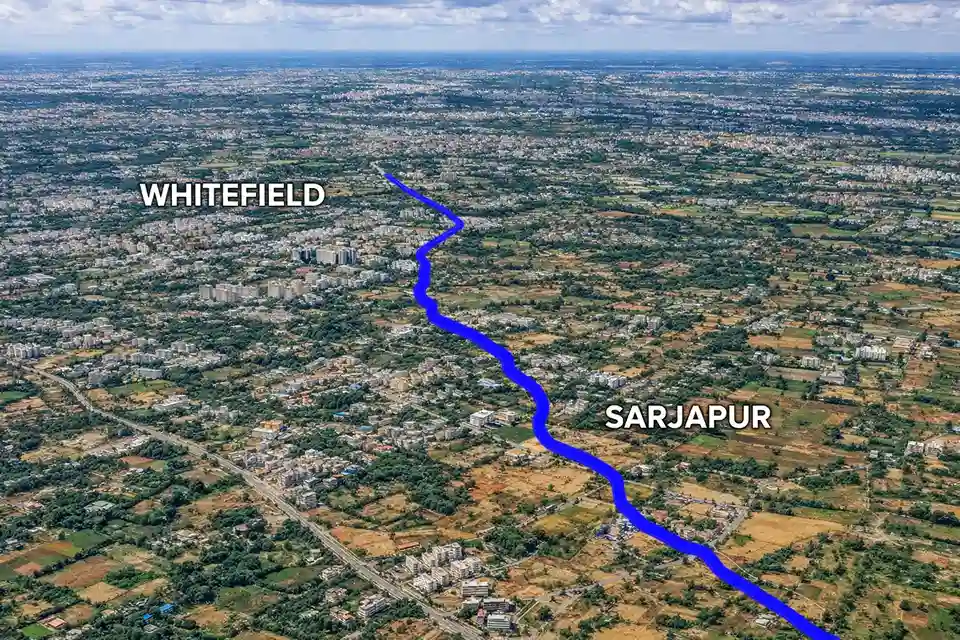
The Whitefield–Sarjapur Road corridor is an important stretch in Bengaluru that connects the east and southeast parts of the city, linking Whitefield, Sarjapur Road, and the areas of Varthur and Gunjur along the way. Over the last six years, this corridor has become one of the most dynamic residential areas in Bengaluru.
This belt is strategically located between three major employment hubs:
- The tech parks along the Outer Ring Road (ORR), which are about 10 to 14 kilometers from the mid-corridor points.
- The Whitefield IT cluster, with a radius of 8 to 12 kilometers.
- Electronic City Phase I, sitting 15 to 20 kilometers away via the Hosa Road link.
This triangular employment layout ensures a steady demand for housing, rather than just fleeting increases. Unlike smaller areas that rely on a single job center, this corridor enjoys a dynamic flow of workers coming from multiple directions.
As of this year, 2026, the corridor is defined by:
- Road widening efforts (30m–45m CDP corridors)
- The proposed Peripheral Ring Road (PRR) influence
- Growth in township-scale developments
- Rising average ticket sizes and unit configurations
The real estate growth narrative for the Whitefield–Sarjapur Road is largely driven by infrastructure and employment opportunities.
Infrastructure Layers Driving Corridor Expansion
The infrastructure in the Whitefield–Sarjapur corridor has developed in stages rather than through a series of isolated announcements.
Phase 1: Road Dependency Era (Pre-2020)
Before 2020, this corridor relied heavily on:
- ORR connectivity
- Sarjapur Main Road for major traffic flow
- Hosa Road as a link to Electronic City
During peak hours, traffic congestion could stretch to 40 – 60 minutes over 8 – 10 km. Even with a strong IT presence, the lack of alternative routes limited the potential for residential growth.
Phase 2: Post-2020 Structural Upgrades
From 2020 to 2024, several key developments reshaped the growth landscape:
- The Whitefield Metro became operational
- Road identification for the CDP was accelerated
- Progress was made on PRR alignment
- Key link roads near Varthur and Gunjur were widened
Even before everything is fully completed, announcements about infrastructure can sway buyer sentiment and boost developer involvement. Historically, in Bengaluru, areas that see confirmed mobility upgrades start adjusting their prices about 18 to 24 months before the actual work begins.
Peripheral Ring Road (PRR) Redistribution Logic
The PRR is expected to:
- Redirect heavy traffic away from the ORR
- Enhance freight movement throughout East Bengaluru
- Lessen congestion that spills into the Sarjapur area
In high-density corridors like the ORR, saturation often results in residents moving outward. The growth trend in real estate along the Whitefield–Sarjapur Road illustrates this redistribution.
CDP Road Width and Its Long-Term Planning Effects
Road width plays a crucial role beyond just managing traffic.
Corridors that are 30m to 45m wide provide:
- Increased commercial viability along the front
- Enhanced bus connectivity for easier travel
- Better mobility for emergency services
- Long-term optimization of the Floor Space Index (FSI)
Wider arterial grids help define urban structure. This is a significant factor in why mid-corridor zones begin to draw in larger land developments once CDP alignments are established.
Employment Density & Demand Pressure
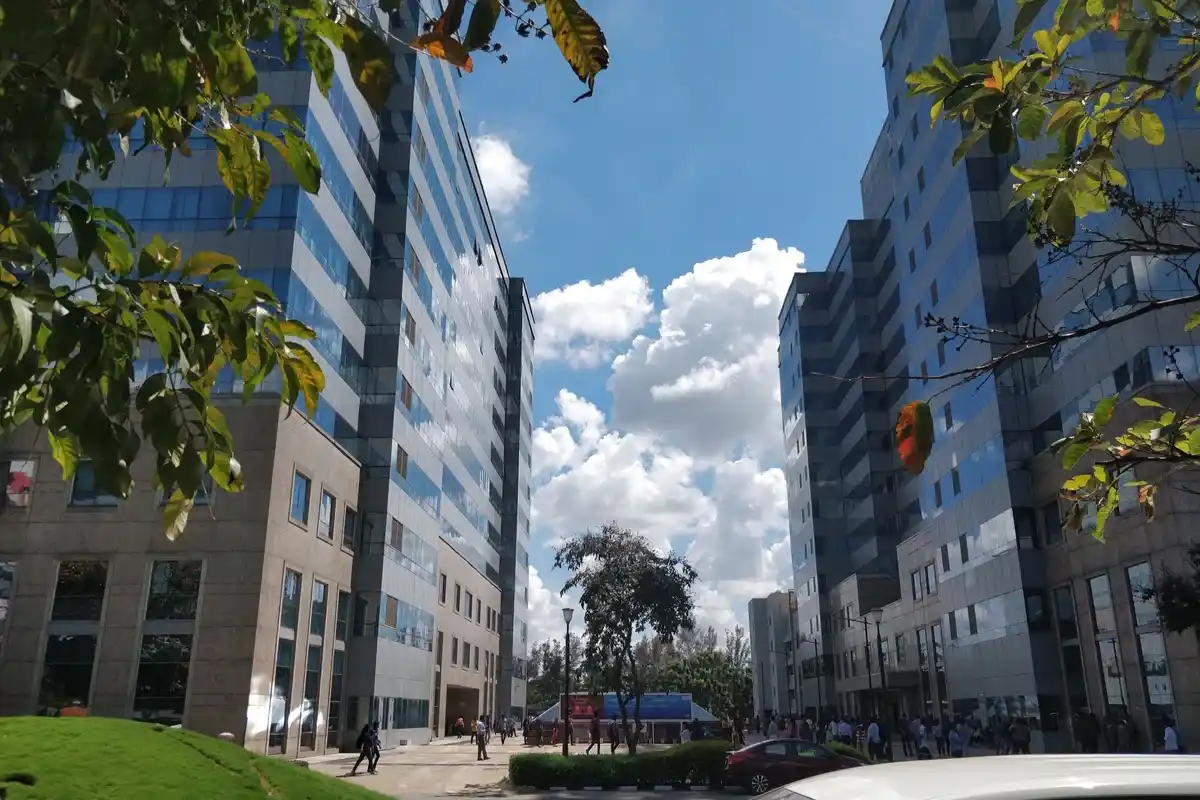
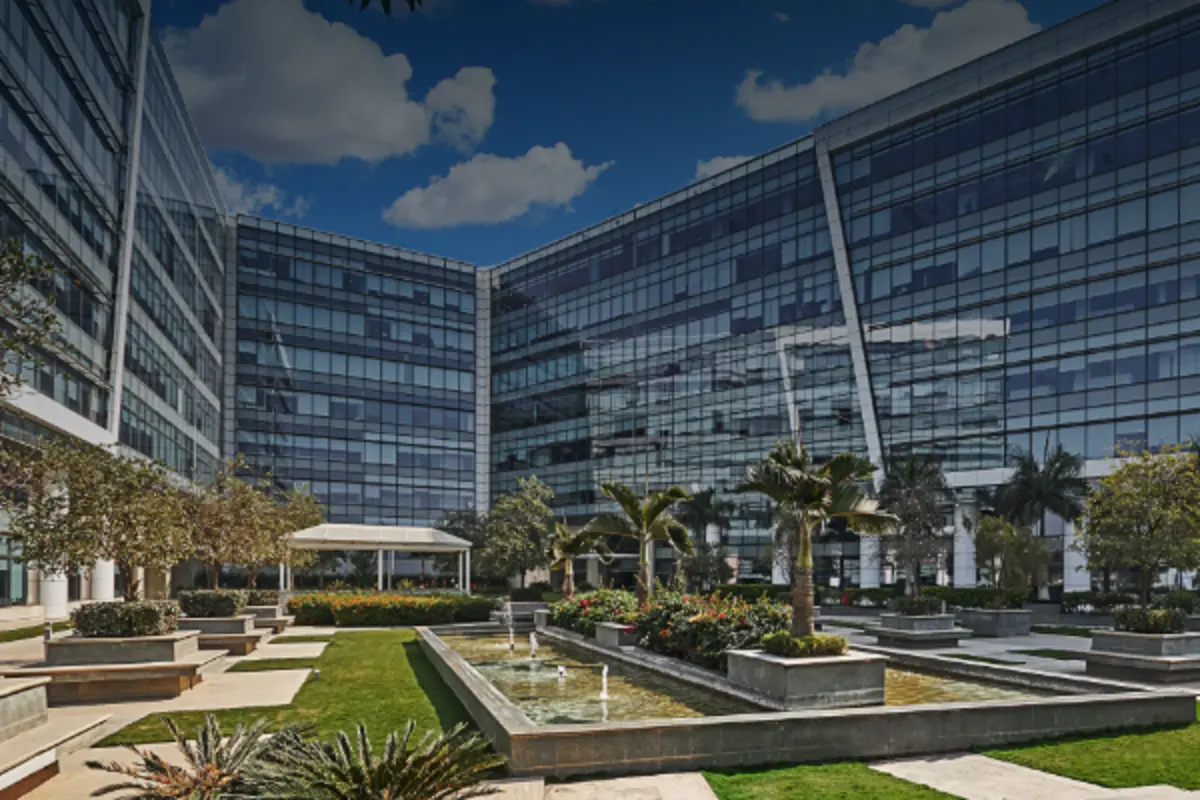
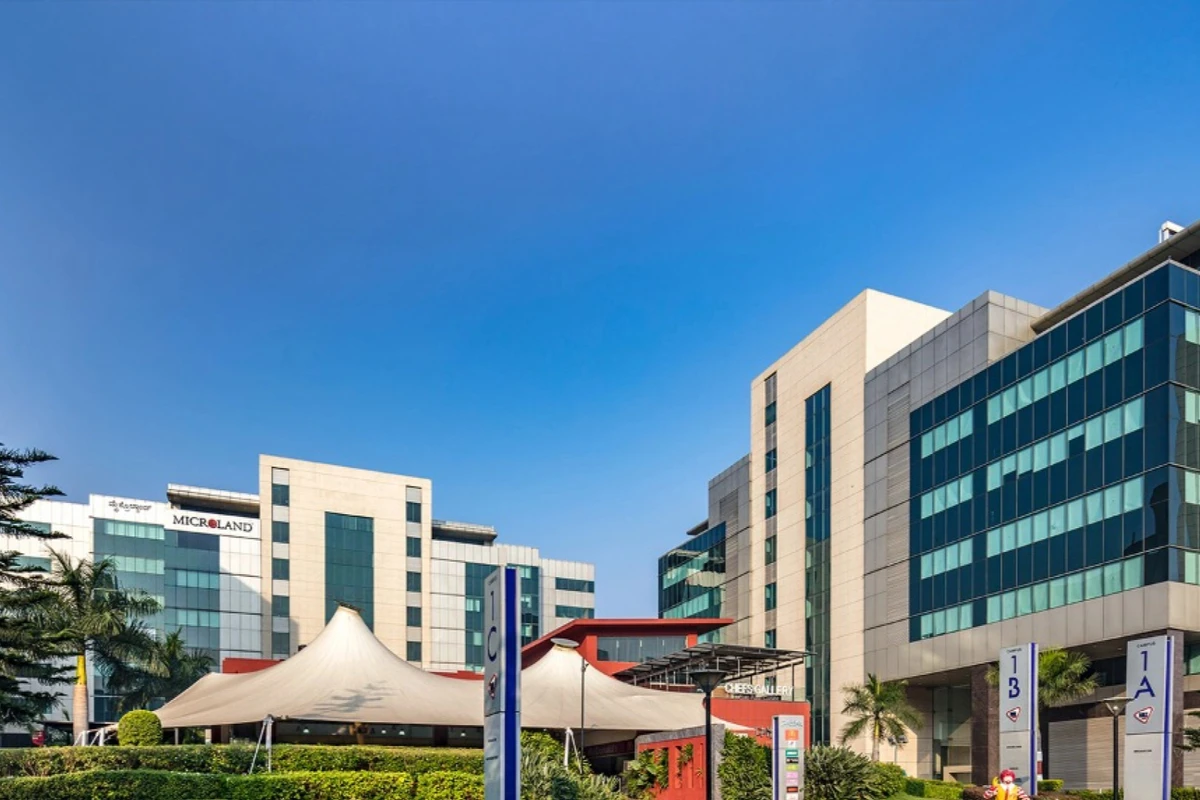
Within a 15 km stretch of the corridor, you’ll discover key employment hubs like:
- Embassy Tech Village
- RMZ Ecospace
- International Tech Park Bangalore
- Electronic City
The combined workforce in these areas exceeds 300,000 to 400,000 professionals.
When we look at residential trends in East Bengaluru, we see:
- 60–70% of new buyers are professionals from the IT industry
- There’s been a 20–30% increase in demand for 3 BHK homes since 2021
- Township developments represent around 35–40% of new launches in this area
This demand is based on solid fundamentals, not just speculation.
Price Corridor Mapping: Capital Outlay & Stability
While the price per square foot indicates an increase, a closer look at the size of capital investments reveals more about the demand trends.
2020 Typical Ticket Sizes
2 BHK (1100 sq.ft at ₹4,500 avg) → ₹49–52 lakh
3 BHK (1450 sq.ft at ₹4,800 avg) → ₹70 lakh range
2026 Typical Ticket Sizes
2 BHK (1200 sq.ft at ₹9,500 avg) → ₹1.1–1.2 crore
3 BHK (1600 sq.ft at ₹10,000 avg) → ₹1.6 crore range
Even though ticket sizes have doubled, the absorption rate has remained steady. Why?
- IT salary bands saw a significant rise from 2020 to 2023.
- More households are now dual-income.
- Home loan rates have stabilized after peaking in 2023.
Price Gradient Protection Effect
The corridor benefits from a pricing ladder:
- ORR: ₹12,000–₹16,000
- Whitefield core: ₹11,500–₹14,000
- Mid-corridor stretch: ₹9,000–₹10,500
This gradient ensures:
- Ongoing spillover demand
- Less risk of stagnation
- Tiered buyer migration
Unlike isolated micro-pockets that can get too hot, growth along the corridor helps to evenly distribute price pressure.
Demographic Shift & Buyer Profile Evolution in the Corridor
The growth of the Whitefield–Sarjapur corridor is closely linked to changes in demographics.
IT Workforce Dominance
Around 60–70% of the residential buyers in this area are either directly or indirectly associated with the IT and tech sectors.
The most common buyer profiles include:
- Mid-level IT managers with 8–15 years of experience
- Dual-income couples working in tech
- Startup founders moving closer to the ORR clusters
Shift Toward Larger Configurations
Post-2020, there’s been a clear shift in housing preferences:
Before:
2 BHK was the dominant choice.
Currently:
- 3 BHK makes up 40–45% of new bookings.
- Layouts like 3.5 BHK and those with study spaces are gaining popularity.
The hybrid work culture has increased the need for:
- Dedicated office spaces
- Larger balconies
- A variety of internal amenities
Education-Driven Purchase Decisions
Within a 5–8 km radius of the corridor, you can find a variety of international schools.
When families are making buying decisions, they often prioritize:
- A convenient 20–30 minute commute to school
- Secure gated communities
- Planning that resembles a township layout
Having schools nearby tends to create steady demand from actual users rather than just speculative interest.
Tenant-to-Owner Transition Pattern
Let’s break down the changes:
2016–2019:
IT professionals were keen on renting near ORR.
2021–2026:
We’re witnessing a growing trend of moving from renting to owning within an 8–12 km radius.
What’s behind this shift?
- Rising rental prices
- Steady home loan rates
- The perception of long-term corridor development
This demographic shift is really enhancing the sustainability of our residential areas.
Corridor Economic Resilience & Long-Term Outlook
One often overlooked strength of the Whitefield–Sarjapur corridor is its multi-anchor dependency.
Unlike areas that rely on:
- A single metro extension
- A single employment hub
- A single highway connection
This corridor brings together:
- The Whitefield IT ecosystem
- Tech parks along the ORR
- The spillover from Electronic City
- Educational institutions
- Healthcare facilities
Having multiple anchors helps to reduce volatility.
Even during economic slowdowns, these corridors tend to show:
- Faster recovery rates
- Lower levels of unsold inventory
- Stable rental occupancy rates
As the infrastructure development progresses, we can expect the corridor to transition from a structured growth phase to a consolidation phase between 2027 and 2030.
Rise of the Township Model Along the Corridor
Before 2018, most developments in this area were:
- Standalone apartments on 2–4 acres
- Limited amenities within the buildings
- Minimal zoning separation
However, after 2020, there was a notable increase in the aggregation of large land parcels.
Now, master-planned townships in East Bangalore cover 20–45 acres and feature:
- Central green spaces
- Multiple clubhouses
- Well-planned internal road networks
- Dedicated areas for recreation
This approach not only lessens reliance on outside resources but also enhances the planning of internal communities.
A great illustration of this shift can be found in projects such as Abhee Codename New Dimension, which is also referred to as Abhee Celestial City Phase 2. These developments highlight the corridor’s move towards creating integrated residential ecosystems.
The township model focuses on:
- Managing density pressure
- Handling parking issues
- Improving access to amenities
- Ensuring long-term asset positioning
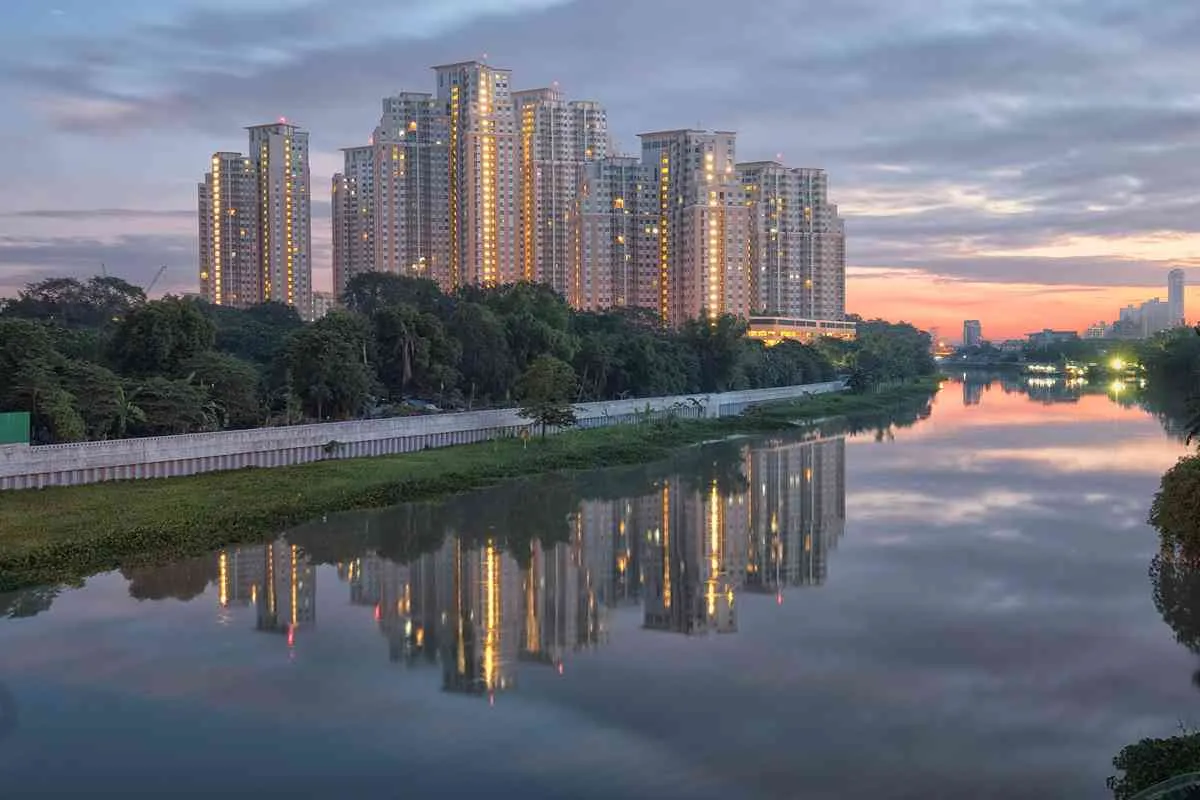
Gunjur–Varthur Expansion Pattern
Between 2020 and 2025, the area between Whitefield and Sarjapur Road has experienced the most rapid land assembly activity.
Here are a few reasons why:
- Historically lower costs for land acquisition
- The feasibility of road expansion
- Close proximity to the Varthur Lake catchment
- A strong educational ecosystem, with international schools located within 3–5 km
This area now serves as a well-structured residential link rather than just an empty space on the outskirts.
How This Corridor Compares to Other Growth Belts
Kanakapura Road
It has metro access, but the IT options are somewhat limited.
Yelahanka
Strong airport access, but the ORR connectivity could be better.
Hebbal
Prices are premium, and there aren’t many large land parcels left.
What sets Whitefield–Sarjapur Road apart is its combination of:
- IT proximity
- Well-structured infrastructure
- Land availability
- Educational density
- Township clusters
Only few corridors in Bengaluru can provide all five of these benefits at once.
Upcoming Infrastructure Influence (2026–2030 Outlook)
The next four to five years are set to be influenced by Upcoming Infrastructure Developments in East Bangalore, especially:
- Phases of PRR execution
- Ongoing CDP road widening
- Expansion of the metro network
- New retail and mixed-use zoning
Short-term outlook (1–2 years):
We expect stabilization in the ₹9,500–₹11,500 per sq.ft range in mid-corridor areas.
Mid-term (3–5 years):
There will be an increase in commercial penetration and a boost in rental prices due to the consolidation of IT offices.
Long-term (5+ years):
The corridor will be fully integrated into Bengaluru’s prime residential landscape.
Rental Benchmarks Along the Corridor (2026)
2 BHK (1100–1250 sq.ft):
- ₹28,000–₹38,000 per month
3 BHK (1400–1700 sq.ft):
- ₹40,000–₹55,000 per month
Gross rental yields hover around 3 to 4% annually, which aligns with the established residential areas in East Bengaluru.
Additionally, vacancy rates in township-style developments are staying below 10%, suggesting a healthy demand for tenants.
Why the Corridor Narrative Matters
The Whitefield–Sarjapur corridor is no longer seen as just a secondary zone; it has become a significant area in its own right. It serves as:
- A major artery for workforce housing
- A belt for township development
- A structured corridor for expansion
- A midpoint connecting key IT clusters
The growth of real estate along Whitefield Sarjapur Road reflects the dynamics of urban expansion: job opportunities pull residential growth outward until the necessary infrastructure is in place.
As we approach 2026, it’s evident that this stabilization phase is already underway.
Final Perspective
Whitefield–Sarjapur Road exemplifies one of Bengaluru’s most complex growth corridors. With its multi-directional access to jobs, progressive infrastructure development, and large-format township planning, it has transformed from a peripheral road into a key residential artery.
This growth isn’t happening in isolation.
It’s all part of a larger system.
Frequently Asked Questions (FAQs)
1. What’s fueling the growth of real estate along Whitefield Sarjapur Road?
The main factors include a high concentration of IT jobs, the impact of the PRR, road widening initiatives, and large-scale township developments.
2. What’s the average price per square foot expected in 2026?
You can expect prices to range from ₹9,000 to ₹10,500 in the mid-corridor areas, while central Whitefield might see prices starting at ₹11,500 and above.
3. How far is this corridor from the tech parks on ORR?
It’s about 10 to 14 kilometers away, which usually takes around 25 to 35 minutes during non-peak hours.
4. Is this corridor a good option for long-term residential living?
Yes, its close proximity to IT hubs, international schools, hospitals, and ongoing infrastructure improvements makes it a great choice.
Recent Posts
-
Townships vs Apartment Projects: Key Differences in Planning, Lifestyle & Long-Term Value
-
Property Price Appreciation in East Bangalore: Sarjapur-Whitefield ROI Trends Since 2020
-
Gunjur–Varthur Micro-Market Growth Analysis (2026 Outlook): From Peripheral Village to Growth Node
-
Work-Life Integration in IT Corridors: Living Near Ecospace, RMZ & ITPL in East Bangalore
-
Abhee Codename New Dimension Tentative Launch Date 2026
-
EOI Open for Abhee Codename New Dimension: Price Lock & Priority Before Launch
-
Abhee Celestial City Phase 2