Abhee Codename New Dimension

Work-Life Integration in IT Corridors: Living Near Ecospace, RMZ & ITPL in East Bangalore

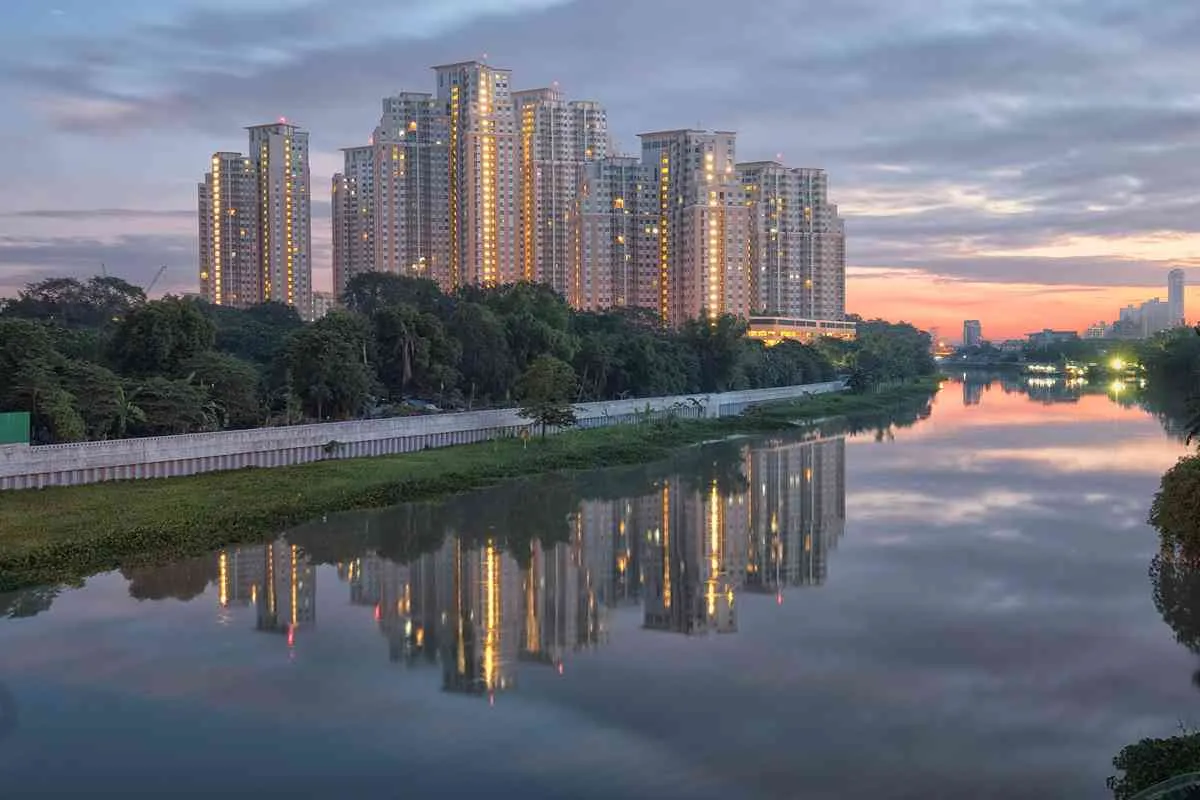
work life integration and it corridor living in east bangalore

Work-Life Integration in IT Corridors: Living Near Ecospace, RMZ & ITPL in East Bangalore

Register Your EOI Now / Book Your Site Visit

What Defines IT Corridor Living in East Bangalore?

Living in the IT Corridor of East Bangalore means being part of vibrant residential communities that are conveniently close to major job hubs like Embassy Tech Village, RMZ Ecospace, International Tech Park Bangalore, and the expansive Electronic City area, usually within a 3 to 12 km range.

Unlike the central business districts that grew up naturally over time, East Bengaluru’s IT Corridor was carefully planned with tech parks and special economic zones. This thoughtful development led to homes sprouting up in response to job opportunities, rather than the usual outward spread from the city center.

Currently, this corridor features:

    • More than 4 to 5 lakh direct IT and tech-enabled jobs
    • A range of Grade A commercial campuses
    • Strong rental absorption figures
    • Steady demand for mid-to-premium housing

It’s important to understand this job-driven growth pattern when assessing the residential market in this region.

Employment Density: The Backbone of Housing Demand

In East Bengaluru, the demand for housing isn’t just a trend; it’s driven by solid employment opportunities.

Key employment hubs include:

    • Embassy Tech Village – Bellandur/ORR belt
    • RMZ Ecospace – ORR corridor
    • International Tech Park Bangalore – Whitefield
    • Wipro SEZ – Sarjapur Road
    • Electronic City – Hosur Road belt

These areas are home to major players like Infosys, Wipro, Accenture, SAP Labs, Cisco, JP Morgan, and Intel.

When jobs are spread out across various locations, residential development tends to create a “belt” instead of clustering in one spot. This is why the stretch between Whitefield and Sarjapur has evolved into a well-rounded residential corridor.

Commute Time Compression: Why Minutes Matter More Than Kilometres

In areas driven by technology, the time spent commuting tends to weigh more heavily on housing decisions than the distance itself.

0 - 3 km Radius

    • Higher prices
    • Severe congestion during peak hours
    • Frequent rental turnover
    • Limited availability of larger properties

5 - 8 km Radius

    • 20–35 minute commute during rush hour
    • More organized residential designs
    • Reduced noise and traffic
    • Better value for space

10 - 12 km Radius

    • Affordable ticket sizes
    • A bit longer commute (35–50 minutes during peak hours)
    • Increasing influence of infrastructure

This 5–8 km area often turns into the “work-life balance zone,” providing connectivity without the heavy congestion found on the ORR.

For those professionals working in the ORR tech parks but looking for bigger homes and township amenities, this mid-corridor location becomes quite appealing.

Hybrid Work Culture & Configuration Shift

From 2020 to 2024, the rise of hybrid work policies has had a major impact on housing demand.

Before 2020:

    • 2 BHK apartments were the most popular choice
    • Buyers preferred smaller price points
    • There was a strong preference for central locations

After 2020:

    • The share of 3 BHK apartments jumped to about 40–45% in new launches in East Bengaluru
    • Dedicated study spaces became increasingly popular
    • There was a growing emphasis on balconies and outdoor areas

Living in East Bangalore’s IT Corridor today means:

    • Workspaces that can adapt to your lifestyle
    • Internal areas for recreation
    • Amenities that build community connections
    • Less need to venture into the city for fun

Township-style developments along the corridor have responded to this shift with:

    • Multiple clubhouses for socializing
    • Jogging trails for fitness enthusiasts
    • Sports facilities for active lifestyles
    • Integrated green spaces that enhance the environment

Rental Stability in IT Corridors

One of the key signs that housing is supported by employment is the resilience of rental markets.

Looking at rental trends in East Bengaluru for the years 2025–2026, we see:

    • 2 BHK apartments going for ₹30,000–₹45,000 a month, depending on how close they are to the ORR or the Whitefield area.
    • 3 BHK units in premium gated communities range from ₹45,000 to ₹70,000 a month.

In the IT corridors, we typically observe:

    • Quicker tenant turnover
    • Shorter vacancy periods
    • Consistent rental growth year after year

This rental resilience helps keep residential markets stable, even during economic downturns.

Unlike speculative areas on the outskirts, IT-driven corridors maintain their occupancy rates because employment serves as a solid foundation.

Living Between Whitefield, ORR & Electronic City: The Strategic Middle

The Whitefield–Sarjapur area really stands out for its prime location.

From this spot, you can reach:

    • Whitefield ITPL belt: just 20–30 minutes away ORR
    • Ecospace zone: around 25–35 minutes
    • Electronic City Phase I: about 30–40 minutes (whether you take Hosa Road or the elevated corridor)

This three-way connectivity gives you plenty of options.

If you work at:

    • Embassy Tech Village
    • RMZ Ecospace
    • International Tech Park Bangalore

you can easily live in a central residential area without being tied down to just one job location.

This setup is much more advantageous than living in single-anchor micro-markets.

Strengthening the IT Corridor's Infrastructure

The corridor is being strengthened through:

    • The alignment of the Peripheral Ring Road (PRR)
    • Widening of the 150-ft CDP road
    • Ongoing metro network expansion

Infrastructure alone might not create demand, but it definitely boosts the attractiveness of job-driven corridors.

The combination of:

    • Employment density
    • Road network enhancements
    • Township-scale supply

results in sustainable residential ecosystems rather than just isolated apartment buildings.

Demand Evolution: From Rental Clusters to Ownership Corridors

2016–2019 :

    • Most IT employees were keen on renting close to ORR.

2021–2026 :

    • We’re seeing a noticeable shift from renting to owning homes within a 5–10 km radius.
    • Households with dual incomes are making bigger purchases.
    • Demand is stabilizing in well-planned residential areas.

This shift sheds light on the rise of large-scale developments along the Whitefield–Sarjapur corridor.

Projects like Abhee Codename New Dimension are a reflection of this broader trend in employment-driven housing, rather than just being random additions to the market.

Economic Resilience of IT Corridor Housing

Residential markets linked to employment corridors demonstrate:

    • A quicker recovery after downturns
    • Lower levels of unsold inventory
    • More consistent absorption cycles

East Bengaluru’s IT scene is quite diverse, featuring:

    • Tech parks along the ORR
    • The bustling Whitefield ITPL
    • Clusters in Electronic City
    • Campuses in the Sarjapur SEZ

This multi-anchor employment strategy helps to minimize volatility.

When one tech park slows down hiring, others are still growing, which helps maintain demand across the corridor.

Why IT Corridor Living Is Structurally Sustainable (2026–2030 Outlook)

As we look to the future, three key factors will shape sustainability:

    • Ongoing IT hiring in East Bengaluru clusters
    • Finalizing mobility upgrades (like PRR and CDP grid formalization)
    • A growing preference for integrated residential formats

Living in the IT Corridor of East Bangalore isn’t just about being “close to the office” anymore. It’s now about:

    • Predictable commutes
    • Flexibility for hybrid work
    • Amenities that cater to the community
    • Easy access to education and healthcare within a 5–10 km radius

This holistic approach to living sets apart employment-driven corridors from those that are just speculative expansions.

Frequently Asked Questions (FAQs)

1. What does IT Corridor Living in East Bangalore mean?

It refers to residential neighborhoods that are conveniently located within a practical commuting distance (3–12 km) from major tech parks like Embassy Tech Village, RMZ Ecospace, ITPL, and Electronic City.

The demand is largely driven by job opportunities, which results in stable rental absorption, consistent resale interest, and a lower risk of vacancies.

3. What’s the ideal distance from IT hubs for living?

A distance of 5–8 km usually strikes the perfect balance between a reasonable commute time (20–35 minutes during peak hours) and a comfortable living environment.

4. Is this corridor a good option for long-term residential living?

Yes, its close proximity to IT hubs, international schools, hospitals, and ongoing infrastructure improvements makes it a great choice.

5. Does hybrid work affect housing demand in IT corridors?

Yes, the rise of hybrid work has led to a greater need for bigger homes, dedicated study areas, and well-integrated amenities in residential communities.

Recent Posts

Whitefield Sarjapur Road Real Estate Growth Analysis 2026

whitefield sarjapur road real estate

Whitefield–Sarjapur Road Real Estate Growth: 2026 Corridor Analysis

Register Your EOI Now / Book Your Site Visit

What Defines the Whitefield-Sarjapur Road Corridor?

The Whitefield–Sarjapur Road corridor is an important stretch in Bengaluru that connects the east and southeast parts of the city, linking Whitefield, Sarjapur Road, and the areas of Varthur and Gunjur along the way. Over the last six years, this corridor has become one of the most dynamic residential areas in Bengaluru.

This belt is strategically located between three major employment hubs:

    • The tech parks along the Outer Ring Road (ORR), which are about 10 to 14 kilometers from the mid-corridor points.
    • The Whitefield IT cluster, with a radius of 8 to 12 kilometers.
    • Electronic City Phase I, sitting 15 to 20 kilometers away via the Hosa Road link.

This triangular employment layout ensures a steady demand for housing, rather than just fleeting increases. Unlike smaller areas that rely on a single job center, this corridor enjoys a dynamic flow of workers coming from multiple directions.

As of this year, 2026, the corridor is defined by:

    • Road widening efforts (30m–45m CDP corridors)
    • The proposed Peripheral Ring Road (PRR) influence
    • Growth in township-scale developments
    • Rising average ticket sizes and unit configurations

The real estate growth narrative for the Whitefield–Sarjapur Road is largely driven by infrastructure and employment opportunities.

Infrastructure Layers Driving Corridor Expansion

The infrastructure in the Whitefield–Sarjapur corridor has developed in stages rather than through a series of isolated announcements.

Phase 1: Road Dependency Era (Pre-2020)

Before 2020, this corridor relied heavily on:

    • ORR connectivity
    • Sarjapur Main Road for major traffic flow
    • Hosa Road as a link to Electronic City

During peak hours, traffic congestion could stretch to 40 – 60 minutes over 8 – 10 km. Even with a strong IT presence, the lack of alternative routes limited the potential for residential growth.

Phase 2: Post-2020 Structural Upgrades

From 2020 to 2024, several key developments reshaped the growth landscape:

    • The Whitefield Metro became operational
    • Road identification for the CDP was accelerated
    • Progress was made on PRR alignment
    • Key link roads near Varthur and Gunjur were widened

Even before everything is fully completed, announcements about infrastructure can sway buyer sentiment and boost developer involvement. Historically, in Bengaluru, areas that see confirmed mobility upgrades start adjusting their prices about 18 to 24 months before the actual work begins.

Peripheral Ring Road (PRR) Redistribution Logic

The PRR is expected to:

    • Redirect heavy traffic away from the ORR
    • Enhance freight movement throughout East Bengaluru
    • Lessen congestion that spills into the Sarjapur area

In high-density corridors like the ORR, saturation often results in residents moving outward. The growth trend in real estate along the Whitefield–Sarjapur Road illustrates this redistribution.

CDP Road Width and Its Long-Term Planning Effects

Road width plays a crucial role beyond just managing traffic.

Corridors that are 30m to 45m wide provide:

    • Increased commercial viability along the front
    • Enhanced bus connectivity for easier travel
    • Better mobility for emergency services
    • Long-term optimization of the Floor Space Index (FSI)

Wider arterial grids help define urban structure. This is a significant factor in why mid-corridor zones begin to draw in larger land developments once CDP alignments are established.

Employment Density & Demand Pressure

Within a 15 km stretch of the corridor, you’ll discover key employment hubs like:

    • Embassy Tech Village
    • RMZ Ecospace
    • International Tech Park Bangalore
    • Electronic City

The combined workforce in these areas exceeds 300,000 to 400,000 professionals.

When we look at residential trends in East Bengaluru, we see:

    • 60–70% of new buyers are professionals from the IT industry
    • There’s been a 20–30% increase in demand for 3 BHK homes since 2021
    • Township developments represent around 35–40% of new launches in this area

This demand is based on solid fundamentals, not just speculation.

Price Corridor Mapping: Capital Outlay & Stability

While the price per square foot indicates an increase, a closer look at the size of capital investments reveals more about the demand trends.

2020 Typical Ticket Sizes

2 BHK (1100 sq.ft at ₹4,500 avg) → ₹49–52 lakh

3 BHK (1450 sq.ft at ₹4,800 avg) → ₹70 lakh range

2026 Typical Ticket Sizes

2 BHK (1200 sq.ft at ₹9,500 avg) → ₹1.1–1.2 crore

3 BHK (1600 sq.ft at ₹10,000 avg) → ₹1.6 crore range

Even though ticket sizes have doubled, the absorption rate has remained steady. Why?

    • IT salary bands saw a significant rise from 2020 to 2023.
    • More households are now dual-income.
    • Home loan rates have stabilized after peaking in 2023.

Price Gradient Protection Effect

The corridor benefits from a pricing ladder:

    • ORR: ₹12,000–₹16,000
    • Whitefield core: ₹11,500–₹14,000
    • Mid-corridor stretch: ₹9,000–₹10,500

This gradient ensures:

    • Ongoing spillover demand
    • Less risk of stagnation
    • Tiered buyer migration

Unlike isolated micro-pockets that can get too hot, growth along the corridor helps to evenly distribute price pressure.

Demographic Shift & Buyer Profile Evolution in the Corridor

The growth of the Whitefield–Sarjapur corridor is closely linked to changes in demographics.

IT Workforce Dominance

Around 60–70% of the residential buyers in this area are either directly or indirectly associated with the IT and tech sectors.

The most common buyer profiles include:

    • Mid-level IT managers with 8–15 years of experience
    • Dual-income couples working in tech
    • Startup founders moving closer to the ORR clusters

Shift Toward Larger Configurations

Post-2020, there’s been a clear shift in housing preferences:

Before:

2 BHK was the dominant choice.

Currently:

    • 3 BHK makes up 40–45% of new bookings.
    • Layouts like 3.5 BHK and those with study spaces are gaining popularity. 

The hybrid work culture has increased the need for:

    • Dedicated office spaces
    • Larger balconies
    • A variety of internal amenities

Education-Driven Purchase Decisions

Within a 5–8 km radius of the corridor, you can find a variety of international schools.

When families are making buying decisions, they often prioritize:

    • A convenient 20–30 minute commute to school
    • Secure gated communities
    • Planning that resembles a township layout

Having schools nearby tends to create steady demand from actual users rather than just speculative interest.

Tenant-to-Owner Transition Pattern

Let’s break down the changes:

2016–2019:

IT professionals were keen on renting near ORR.

2021–2026:

We’re witnessing a growing trend of moving from renting to owning within an 8–12 km radius.

What’s behind this shift?

    • Rising rental prices
    • Steady home loan rates
    • The perception of long-term corridor development

This demographic shift is really enhancing the sustainability of our residential areas.

Corridor Economic Resilience & Long-Term Outlook

One often overlooked strength of the Whitefield–Sarjapur corridor is its multi-anchor dependency.

Unlike areas that rely on:

    • A single metro extension
    • A single employment hub
    • A single highway connection

This corridor brings together:

    • The Whitefield IT ecosystem
    • Tech parks along the ORR
    • The spillover from Electronic City
    • Educational institutions
    • Healthcare facilities

Having multiple anchors helps to reduce volatility.

Even during economic slowdowns, these corridors tend to show:

    • Faster recovery rates
    • Lower levels of unsold inventory
    • Stable rental occupancy rates

As the infrastructure development progresses, we can expect the corridor to transition from a structured growth phase to a consolidation phase between 2027 and 2030.

Rise of the Township Model Along the Corridor

Before 2018, most developments in this area were:

    • Standalone apartments on 2–4 acres
    • Limited amenities within the buildings
    • Minimal zoning separation

However, after 2020, there was a notable increase in the aggregation of large land parcels.

Now, master-planned townships in East Bangalore cover 20–45 acres and feature:

    • Central green spaces
    • Multiple clubhouses
    • Well-planned internal road networks
    • Dedicated areas for recreation

This approach not only lessens reliance on outside resources but also enhances the planning of internal communities.

A great illustration of this shift can be found in projects such as Abhee Codename New Dimension, which is also referred to as Abhee Celestial City Phase 2. These developments highlight the corridor’s move towards creating integrated residential ecosystems.

The township model focuses on:

    • Managing density pressure
    • Handling parking issues
    • Improving access to amenities
    • Ensuring long-term asset positioning
abhee codename new dimension long view
Abhee Codename New Dimension Township Lakeview

Gunjur–Varthur Expansion Pattern

Between 2020 and 2025, the area between Whitefield and Sarjapur Road has experienced the most rapid land assembly activity.

Here are a few reasons why:

    • Historically lower costs for land acquisition
    • The feasibility of road expansion
    • Close proximity to the Varthur Lake catchment
    • A strong educational ecosystem, with international schools located within 3–5 km

This area now serves as a well-structured residential link rather than just an empty space on the outskirts.

How This Corridor Compares to Other Growth Belts

Kanakapura Road

It has metro access, but the IT options are somewhat limited.

Yelahanka

Strong airport access, but the ORR connectivity could be better.

Hebbal

Prices are premium, and there aren’t many large land parcels left.

What sets Whitefield–Sarjapur Road apart is its combination of:

    • IT proximity
    • Well-structured infrastructure
    • Land availability
    • Educational density
    • Township clusters

Only few corridors in Bengaluru can provide all five of these benefits at once.

Upcoming Infrastructure Influence (2026–2030 Outlook)

The next four to five years are set to be influenced by Upcoming Infrastructure Developments in East Bangalore, especially:

    • Phases of PRR execution
    • Ongoing CDP road widening
    • Expansion of the metro network
    • New retail and mixed-use zoning

Short-term outlook (1–2 years):

We expect stabilization in the ₹9,500–₹11,500 per sq.ft range in mid-corridor areas.

Mid-term (3–5 years):

There will be an increase in commercial penetration and a boost in rental prices due to the consolidation of IT offices.

Long-term (5+ years):

The corridor will be fully integrated into Bengaluru’s prime residential landscape.

whitefield sarjapur road real estate
Whitefield - Sarjapur Road

Rental Benchmarks Along the Corridor (2026)

2 BHK (1100–1250 sq.ft):

    • ₹28,000–₹38,000 per month

3 BHK (1400–1700 sq.ft):

    • ₹40,000–₹55,000 per month

Gross rental yields hover around 3 to 4% annually, which aligns with the established residential areas in East Bengaluru.

Additionally, vacancy rates in township-style developments are staying below 10%, suggesting a healthy demand for tenants.

Why the Corridor Narrative Matters

The Whitefield–Sarjapur corridor is no longer seen as just a secondary zone; it has become a significant area in its own right. It serves as:

    • A major artery for workforce housing
    • A belt for township development
    • A structured corridor for expansion
    • A midpoint connecting key IT clusters

The growth of real estate along Whitefield Sarjapur Road reflects the dynamics of urban expansion: job opportunities pull residential growth outward until the necessary infrastructure is in place.

As we approach 2026, it’s evident that this stabilization phase is already underway.

Final Perspective

Whitefield–Sarjapur Road exemplifies one of Bengaluru’s most complex growth corridors. With its multi-directional access to jobs, progressive infrastructure development, and large-format township planning, it has transformed from a peripheral road into a key residential artery.

This growth isn’t happening in isolation.

It’s all part of a larger system.

Frequently Asked Questions (FAQs)

1. What’s fueling the growth of real estate along Whitefield Sarjapur Road?

The main factors include a high concentration of IT jobs, the impact of the PRR, road widening initiatives, and large-scale township developments.

2. What’s the average price per square foot expected in 2026?

You can expect prices to range from ₹9,000 to ₹10,500 in the mid-corridor areas, while central Whitefield might see prices starting at ₹11,500 and above.

3. How far is this corridor from the tech parks on ORR?

It’s about 10 to 14 kilometers away, which usually takes around 25 to 35 minutes during non-peak hours.

4. Is this corridor a good option for long-term residential living?

Yes, its close proximity to IT hubs, international schools, hospitals, and ongoing infrastructure improvements makes it a great choice.

Recent Posts

Gunjur–Varthur Micro-Market Growth Analysis (2026 Outlook): From Peripheral Village to Growth Node

gunjur varthur micro market

Gunjur–Varthur Micro-Market: From Peripheral Village to Growth Node (2026 Outlook)

Register Your EOI Now / Book Your Site Visit

What Is the Gunjur Varthur Micro Market?

The Gunjur Varthur Micro Market represents a dynamic residential and mixed-use growth belt located between Whitefield, Sarjapur Road, and Varthur in East Bengaluru. In the last six years, this region has shifted from a low-density peripheral stretch to a structured residential growth corridor, driven by improvements in infrastructure, an increase in IT employment, and the rise of large township developments.

As we look ahead to 2026, the micro market is characterized by:

    • Direct access to the Whitefield–Sarjapur Main Road
    • A convenient 10-14 km distance from the ORR tech parks
    • Promising new connectivity via the Peripheral Ring Road (PRR)
    • Proposed road widening plans for CDP (30m and 45m corridors)
    • Expansive residential land parcels, each over 20 acres

In contrast to the crowded areas like central Whitefield or Bellandur, Gunjur-Varthur is emerging as a growth zone, where infrastructure is rapidly developing alongside job hubs.

Location Geometry: Why This Belt Matters

The Gunjur Varthur Micro Market is strategically located at the intersection of three significant employment corridors:

Employment Corridor Approx Distance
ORR (Bellandur-Kadubeesanahalli)
10 – 12 km
Whitefield ITPL
9 – 11 km
Electronic City Phase I
15 – 18 km

Commute Time (Non-Peak):

    • ORR Tech Parks: 25 – 35 mins
    • ITPL Whitefield: 20 – 30 mins
    • Electronic City via Hosa Road: 35 – 45 mins

This “triangular access advantage” is one of the main reasons the Gunjur Varthur Micro Market has seen a surge in interest since 2020.

Infrastructure Drivers Reshaping the Micro Market

Peripheral Ring Road (PRR)

The proposed PRR aims to link Tumakuru Road with Hosur Road through eastern Bengaluru, which will help lessen the reliance on the Inner ORR.

Impact on Gunjur–Varthur:

    • Easing congestion on Sarjapur Road
    • Enhanced mobility for freight and commuters
    • Increased absorption of residential inventory

Historically, regions close to major ring roads in Bengaluru have experienced price growth of 15–25% faster than those in more interior areas.

CDP Road Expansion (30m & 45m)

The Comprehensive Development Plan features:

    • 30-meter wide connecting corridors
    • 45-meter arterial expansion along selected stretches

Widening the roads enhances:

    • Traffic flow
    • Public transport efficiency
    • Opportunities for commercial development

This initiative turns peripheral roads into vital pathways for growth.

Metro Phase III (Proposed Connectivity Influence)

Even though the metro line doesn’t run directly through Gunjur, its closeness to the Whitefield and ORR metro extensions really boosts long-term accessibility within an 8–12 km radius.

In Bengaluru, areas influenced by the metro have typically seen property values rise by 18–22% within 3–5 years after the metro starts operating.

Price Evolution: A Structured Data Overview (2020–2026)

2020 (Pre-Acceleration Phase)

    • ₹4,000 – ₹4,800 per sq.ft
    • Predominantly low-rise, standalone projects
    • Limited township options
    • Lower brand engagement

2022 (Post-Pandemic Housing Surge)

    • ₹6,500 – ₹7,500 per sq.ft
    • Increased demand as the IT workforce returned to the office
    • A preference for larger unit sizes
    • The initial wave of announcements for 20+ acre townships

2022 (Post-Pandemic Housing Surge)

    • ₹8,500 – ₹9,500 per sq.ft
    • PRR discussions are becoming more intense
    • You can see the CDP road widening efforts in action
    • The impact of the Whitefield metro is expanding outward

2026 (Structured Valuation Phase)

    • ₹9,000 – ₹10,500 per sq.ft for township-grade projects
    • Premium developments are surpassing ₹11,000 per sq.ft in certain areas
    • Absorption is stabilizing rather than experiencing spikes

Comparative Context

To give you some context:

    • In Central Whitefield, properties are currently priced between ₹11,500 and ₹14,000 per sq.ft.
    • Meanwhile, in the Bellandur/ORR corridor, prices range from ₹12,000 to ₹16,000 per sq.ft. 

This price difference keeps the demand flowing into Gunjur–Varthur, as buyers are eager for a convenient location without the hefty premiums of the central corridor. The data shows steady growth rather than speculative inflation.

Employment Ecosystem Within 15 km Radius

Key employment hubs in the area include:

    • Embassy Tech Village
    • RMZ Ecospace
    • ITPL
    • Wipro SEZ

Together, these parks can accommodate over 300,000 to 400,000 professionals.

When we look at residential trends, we see that:

    • 60–70% of new bookings in East Bengaluru are made by IT professionals.
    • There’s a noticeable shift in demand towards larger townships, specifically those spanning over 20 acres.

Education & Healthcare Density

Located in the 5–8 km range are,

Schools :

    • Greenwood High International School
    • Oakridge International School
    • The International School Bengaluru

Hospitals :

    • Sakra World Hospital
    • Rainbow Children’s Hospital
    • Manipal Hospitals

The proximity to prestigious international schools tends to drive up demand for family housing, ensuring that occupancy remains stable in the long term.

Township Development Trend in Gunjur–Varthur

Earlier (Before 2018):

    • Mostly standalone developments on 2–3 acres –
    • Limited internal infrastructure

After 2020:

    • Land assemblies exceeding 25 acres
    • Integrated planning strategies
    • Multiple clubhouses spread throughout
    • Central green corridors

Projects like Abhee Codename New Dimension (also known as Abhee Celestial City Phase 2) showcase the township model that’s taking shape in this micro market.

Larger land parcels help to ease:

    • Density pressure
    • Parking overflow
    • Congestion in amenities

In the past four years, the share of township supply in East Bengaluru has surged by nearly 40%.

abhee codename new dimension long view
Abhee Codename New Dimension Township Lakeview

Why Micro Markets Matter in Real Estate

A “micro market” refers to a specific area characterized by:

    • Similar pricing structures
    • A shared network of infrastructure
    • Comparable factors driving demand

The Gunjur Varthur Micro Market serves as:

    • An overflow point from Whitefield
    • A connection to Sarjapur
    • A buffer zone between ORR and Electronic City
    • Typically, micro markets develop over cycles of 5 to 8 years.

Right now, Gunjur–Varthur is in its structured growth phase, which is around Year 4 to 6 of its expansion cycle.

Risk Factors & Considerations

A balanced analysis is crucial.

Challenges include:

    • Ongoing disruptions from road widening
    • Temporary reliance on water supply in certain areas
    • Increased traffic during peak hours on the ORR

However, there are positives:

    • The alignment of CDP and PRR helps to lower long-term structural risks.
    • Planning for water and infrastructure at the township level reduces internal dependencies.

Supply Analysis: Inventory, Configuration & Absorption Patterns

The Gunjur Varthur Micro Market is evolving, and it’s not just about the prices, it’s also about the kinds of homes being offered.

Shift in Configuration Mix

2018–2020 Supply Pattern

    • 65–70% inventory: 2 BHK (1000–1150 sq.ft)
    • 20–25% inventory: 3 BHK
    • Minimal 3.5 or 4 BHK options

2022–2026 Supply Pattern

    • 40–45% inventory: 3 BHK (1350–1650 sq.ft)
    • 25–30% inventory: 2.5 BHK / 3.5 BHK
    • 10–15% inventory: 4 BHK and above
    • 30–40% of new launches are township-format developments (20+ acres)

This shift highlights changing buyer preferences:

    • A growing demand for larger homes to accommodate hybrid work lifestyles
    • An increasing interest in internal amenity ecosystems
    • Less dependence on external infrastructure

Unit Size Expansion

Between 2020 and 2026, the average unit size has increased by about 15–20%.

Reasons:

    • The shift to working from home
    • A rising demand for study and office spaces
    • Trends in multi-generational living

This pattern is consistent with the overall housing trends in East Bengaluru.

Absorption Stability

While 2021 and 2022 experienced a surge in bookings, the years 2024 to 2026 are showing:

    • Stable absorption rates
    • Fewer speculative bookings
    • An increase in end-user occupancy

This shift helps to reduce volatility and enhances long-term stability in the micro market.

gunjur varthur micro market
Gunjur Varthur Micro Market

Rental Market & Yield Trends in the Gunjur Varthur Micro Market

Understanding rental demand is key to ensuring residential sustainability.

Current Rental Benchmarks (2026)

2 BHK (1100–1250 sq.ft)

    • Semi-furnished: ₹28,000 – ₹34,000/month
    • Fully furnished: ₹32,000 – ₹38,000/month

3 BHK (1450–1700 sq.ft)

    • Semi-furnished: ₹40,000 – ₹48,000/month
    • Fully furnished: ₹45,000 – ₹55,000/month

Keep in mind that premium township units might go beyond these ranges based on the quality of amenities and furnishings.

Tenant Demographics

Approximately:

    • 60–70% tenants: IT professionals from ORR & Whitefield
    • 10–15% startup founders and mid-management executives
    • 10% expatriate families (select international school catchment)
    • Remaining: business owners and long-term renters

Rental Yield Calculation

With average capital values at ₹9,500–₹10,500 per sq.ft:

Gross rental yields in the Gunjur Varthur Micro Market currently range between 3%–4% annually.

This aligns with:

    • Whitefield averages
    • ORR corridor yields

However, entry pricing still remains lower than central tech corridor zones, which helps sustain tenant migration.

Vacancy Trends

Township-format developments report:

    • Lower vacancy (under 8–10%)
    • Faster tenant replacement cycles
    • Higher preference among families

Standalone low-density projects show slightly higher vacancy variability.

2026 Outlook: What to Expect

Short-Term (1–2 years):

    • We can expect to see new launches continuing to make their mark.
    • Prices are likely to stabilize within the ₹9,500 – ₹11,000 per sq.ft range.

Mid-Term (3–5 years):

    • A stronger commercial presence is on the horizon.
    • Growth in retail and mixed-use developments is anticipated.
    • The influence of PRR will reshape connectivity patterns.

Long-Term (5+ years):

    • We’ll see a full integration into the Whitefield-Sarjapur urban landscape.
    • This area will gain recognition as a key residential zone.

The Gunjur Varthur Micro Market is evolving beyond speculative land. It’s becoming a well-structured residential area, bolstered by job opportunities.

Final Perspective

The Gunjur Varthur Micro Market is a classic case of how infrastructure can fuel residential development. Strategically located between Whitefield, Sarjapur, and the Outer Ring Road, and enhanced by the PRR alignment and large-scale projects, it’s shifting from a peripheral zone to a well-connected urban center.

For buyers, the appeal goes beyond just price increases; it’s about the growth of the local ecosystem.

In East Bengaluru, this region has moved past the stage of being merely emerging.

It’s now firmly establishing itself.

Frequently Asked Questions (FAQs)

1. Is the EOI for Abhee Codename New Dimension currently active?

Yes, the EOI phase is open right now. We’re tentatively looking at an official public launch in early April, but that could change.

2. Does the EOI lock the current price?

Yes, if you decide to buy at launch, you’ll pay the EOI price, even if the launch price goes up.

3. Do EOI customers get priority in unit selection?

Yes, EOI customers get the first chance to choose their units based on when they submitted their EOI, before we allow direct launch bookings.

4. Is the EOI amount refundable?

Yes, it is. Buyers can cancel by sending a written request and will receive a full refund without any deductions, typically processed within 30 working days.

5. Is allotment guaranteed after submitting EOI?

No, it’s not guaranteed. Allotment depends on availability and confirmation from the company.

Recent Posts

EOI Open for Abhee Codename New Dimension: Price Lock & Priority Before Launch

expression of interest eoi open for abhee codename new dimension

EOI Open for Abhee Codename New Dimension: Price Lock & Priority Before Launch

Register Your EOI Now / Book Your Site Visit

The EOI Open for Abhee Codename New Dimension marks the beginning of the pre-launch phase for this upcoming residential community in East Bangalore. During this time, buyers can express their interest by submitting an Expression of Interest (EOI), which allows them to secure early access, protect their prices, and choose their preferred units before the official launch, tentatively scheduled for early April.

Unlike standard launch bookings, the EOI phase provides structured financial benefits and selection advantages, all while being fully refundable under certain terms.

This article will explain:

    • The significance of the EOI phase
    • Current tentative pricing
    • The advantages of locking in prices
    • How priority unit selection works
    • Refund and cancellation guidelines
    • What to anticipate at the launch

Understanding the EOI Phase

An Expression of Interest (EOI) is a preliminary submission from a potential buyer that shows their intent to buy a unit once the project officially launches.

For Abhee Codename New Dimension, the booking and allotment process isn’t available to the public yet. The EOI stage gives interested buyers the chance to:

    • Register their early interest
    • Secure the current tentative pricing
    • Enjoy priority in the selection process
    • Remain eligible for a full refund if they opt not to proceed

This phase happens before the official allotment and launch.

Current Tentative Pricing Under EOI

Below are the indicative price bands for the EOI phase:

Configuration Unit Area (Sq.Ft.) Tentative Price*
2 BHK
1180
₹1.15 Cr
2.5 BHK
1475
₹1.44 Cr
3 BHK Comfort
1545
₹1.50 Cr
3 BHK Luxury
1645 – 1755
₹1.59 – ₹1.69 Cr
3.5 BHK Presidential
2000
₹2.00 Cr
4.5 BHK Presidential
2535
₹2.54 Cr

Note that these prices are merely indicative and may vary at launch.

The Core Advantage: Price Lock Before Launch

The key benefit of the EOI Open for Abhee Codename New Dimension is its structured price protection.

If a buyer submits an EOI and decides to purchase at launch:

    • Their EOI price is guaranteed.
    • Even if the official launch price rises, they will still pay the earlier EOI price.
    • Buyers who only book at launch will need to pay the new launch price.

This creates a clear financial advantage for those who act early.

Typically, in residential developments, launch prices are adjusted upward once public bookings kick off. The EOI phase usually offers the lowest structured price before the formal launch.

For buyers already considering a purchase, the EOI phase provides price certainty before any increases.

Priority Unit Selection: How It Works

Beyond just price lock, one of the standout benefits of the EOI Open for Abhee Codename New Dimension is the priority unit selection.

The process is expected to go like this:

    • EOI customers will be the first to be invited at launch.
    • Unit selection will be based on the order in which EOIs are submitted.
    • Direct launch bookers can only choose from the remaining inventory.

This means:

    • Those who submit their EOIs early will have earlier access.
    • The most sought-after units, preferred stacks, or specific floor levels are likely to be chosen first.
    • Buyers at launch will only have what’s left after EOI allotments.

For buyers who care about:

    • Facing
    • Tower position
    • Floor preference
    • Specific layout types

The EOI stage offers a clear advantage.

Launch Timeline: What to Expect

The project is tentatively set to launch in the first week of April, but keep in mind that these timelines can change at the company’s discretion.

The developer has the right to:

    • Withdraw or reschedule the launch
    • Modify project details
    • Adjust pricing
    • Refund EOI amounts in full

Buyers should consider this timeline as a guideline rather than a guarantee.

EOI Terms & Buyer Safeguards

Here’s how the EOI structure is set up:

1. Acceptance & Allotment

Submitting an EOI doesn’t mean you’re guaranteed an allotment. Unit allocation is based on availability and the company’s confirmation.

2. Refund Policy

If the company rejects or pulls back the EOI:

    • You’ll get a full refund
    • No deductions will apply
    • No interest will be charged

If a buyer decides to cancel:

    • A written request via email is needed
    • You’ll receive a full refund within 30 working days
    • No interest will be applicable

3. One Unit Per Application

Each EOI application is restricted to just one unit.

4. Non-Transferable

You can’t transfer the EOI to another person.

5. Tentative Nature of Plans

Keep in mind that all layouts, renderings, and pricing are merely suggestions until we receive the necessary approvals and launch documentation.

This framework provides a nice balance between early access and safeguarding buyers.

EOI vs Direct Launch Booking: Structured Comparison

Feature EOI Participant Direct Launch Buyer
Price
Locked at EOI rate (if proceeding)
Launch price
Selection Access
Priority, in order of EOI submission
After EOI allotments
Refundability
Fully refundable (as per terms)
Subject to booking terms
Timing
Before public launch
At public launch

This distinction illustrates why the EOI Open for Abhee Codename New Dimension is strategically valuable.

Who Should Consider Submitting an EOI?

The EOI phase usually works best for:

    • Buyers who are genuinely evaluating the project
    • Investors eager for early entry pricing
    • Buyers who have specific inventory preferences
    • Those who are ready to proceed once the launch documentation is finalized

However, it may not be the right choice for buyers who prefer:

    • Only projects that are fully launched
    • Having the final RERA documentation before showing intent
    • No engagement before the launch

Understanding your own comfort with risk and your readiness to buy is key.

Is the EOI Price Final?

The EOI price becomes final only under these conditions:

    • The buyer completes the booking at launch
    • The company gives the green light on the allotment
    • The necessary booking documents are signed

If the buyer chooses not to move forward, they can expect a refund based on the defined policy.

Final Perspective

The EOI Open for Abhee Codename New Dimension marks the official pre-launch phase of the project.

This phase offers two key benefits:

    1. A price lock to protect against potential increases before the launch
    2. Priority access for selecting units

However, it’s important to note that this process is still subject to formal terms and the company’s discretion.

For those buyers who resonate with the project’s vision and the dynamics of East Bangalore, the EOI phase acts as a strategic opportunity to position themselves ahead of the public launch.

As always, it’s crucial for buyers to review the documentation, fully understand the terms, and make decisions based on solid information.

Frequently Asked Questions (FAQs)

1. Is the EOI for Abhee Codename New Dimension currently active?

Yes, the EOI phase is open right now. We’re tentatively looking at an official public launch in early April, but that could change.

2. Does the EOI lock the current price?

Yes, if you decide to buy at launch, you’ll pay the EOI price, even if the launch price goes up.

3. Do EOI customers get priority in unit selection?

Yes, EOI customers get the first chance to choose their units based on when they submitted their EOI, before we allow direct launch bookings.

4. Is the EOI amount refundable?

Yes, it is. Buyers can cancel by sending a written request and will receive a full refund without any deductions, typically processed within 30 working days.

5. Is allotment guaranteed after submitting EOI?

No, it’s not guaranteed. Allotment depends on availability and confirmation from the company.

Recent Posts

Abhee Codename New Dimension Tentative Launch Date 2026

abhee codename new dimension tentative launch date april 2026

Abhee Codename New Dimension Tentative Launch Date - April 2026

Register Your EOI Now / Book Your Site Visit

What Is the Tentative Launch Date of Abhee Codename New Dimension?

The Abhee Codename New Dimension tentative launch date is currently set for the first week of April 2026. This estimate is based on where the project stands in terms of planning and regulatory approvals.

Since we’re still in the pre-launch phase, this timeline is just a rough guide and could change as we navigate through the necessary legal processes, paperwork, and final preparations for the launch.

In large township developments, these tentative timelines usually indicate when marketing and booking will start, rather than when the actual construction or possession will happen. It’s crucial for buyers keeping an eye on upcoming residential projects in East Bangalore to understand this difference.

Understanding the Meaning of a “Tentative Launch Date”

A tentative launch date is simply an expected timeline for when a project will be officially introduced to the market. It doesn’t imply that the project is complete, registered, or owned.

In real estate terms, this stage typically means:

    • The project concept and planning are in advanced stages
    • Regulatory submissions are in motion
    • Internal launch preparations are being set up
    • The brand positioning is nearing its final form
    • Booking processes could start after the necessary approvals are in place

For buyers exploring new residential townships, this time offers a glimpse into the project’s positioning before the full marketing campaign kicks off.

Current Development Stage Overview

Right now, the project is in the pre-launch regulatory phase. In the world of structured residential developments, this stage usually includes:

    • Submitting necessary documentation
    • Going through review and acknowledgment processes
    • Finalizing the master planning documents
    • Preparing internally for the public launch

It’s quite typical for large-scale township developments to navigate through various compliance checkpoints before making any official launch announcements.

With that in mind, the April 2026 timeline should be seen as a potential launch window rather than a hard deadline.

Why April 2026 Is the Expected Timeline

For large residential townships, launch windows often align with:

    • The completion of regulatory acknowledgment stages
    • Financial year planning cycles
    • Market absorption patterns
    • Infrastructure visibility milestones
    • Strategic launch sequencing within a broader development corridor

April is a key month in the Indian real estate calendar, as it marks the beginning of a new financial year. Many developers time their major launches around this period to align with buyers’ planning cycles and investment choices.

The projected window for April 2026 suggests a focus on structured development planning rather than a hurried release.

How Township Launches Typically Progress

If you want to grasp the Abhee Codename New Dimension Tentative Launch Date better, it’s helpful to know how township launches generally progress:

1. Concept & Land Assembly Phase

This stage involves master planning, aligning zoning, and evaluating feasibility.

2. Regulatory Submission Stage

During this phase, we submit all necessary documentation and review for statutory compliance.

3. Pre-Launch Communication

Here, we carefully release information, provide timeline guidance, and create awareness for early buyers.

4. Official Launch

This is when we make the public brand announcement, disclose detailed configurations, and kick off bookings.

5. Post-Launch Sales & Construction Mobilization

We then move into a structured rollout and phased development implementation.

Currently, the project is sitting between stages 2 and 3.

What This Means for Prospective Buyers

Having a tentative launch timeline can really be beneficial in several ways:

    • You’ll be aware of things before the public launch starts.
    • It provides a clearer picture of the planning goals.
    • You can take the time to check if you’re financially ready.
    • It allows you to compare with other launches set for 2026.
    • You’ll have a better understanding of where you are in the regulatory process.

However, it’s essential to keep in mind that these dates should be approached with some flexibility. In real estate, launch timelines can change due to document reviews, the sequence of approvals, or adjustments in internal planning.

Market Context: East Bangalore 2026 Outlook

East Bangalore remains a vibrant residential hotspot for several reasons:

    • A strong presence of IT and tech jobs
    • Ongoing infrastructure improvements
    • Great connectivity between Whitefield, Varthur, and Sarjapur Road
    • Expansion of metro lines
    • Continued interest in township-style living

As we look toward 2026, upcoming projects are strategically timed to coincide with important infrastructure milestones and mid-term demand patterns. The expected launch in April 2026 aligns well with the overall development trends in the eastern part of Bangalore’s residential market.

The Significance of Regulatory Milestones Before Launch

Before a project moves from a tentative announcement to an official launch, ensuring regulatory compliance is absolutely essential.

Buyers should usually check:

    • Acknowledgment status
    • Registration details once approved
    • Official disclosures at the launch stage
    • Clarity of documentation at the time of booking

Just having a tentative launch date doesn’t replace the need for formal registration. It merely suggests that the project is gearing up for a public release once all the necessary procedural steps are completed.

Brand Positioning and Launch Identity

Large township developments typically experience a well-organized branding evolution as they prepare for their official launch.

In the early stages, these projects might be referred to by temporary names or internal labels. The final brand positioning usually comes to light during the official market introduction.

This means that the communication surrounding the launch can shift as the project transitions from pre-launch awareness to a complete public unveiling.

Strategic Considerations Before the Official Launch

If you’re a buyer looking into early-stage township developments, here are some tips to keep in mind:

    • Stay updated on official announcements
    • Keep an eye on regulatory changes
    • Assess the potential for long-term infrastructure growth
    • Get a grasp on the sequencing of phased development
    • Compare with other launches set for 2026

Staying informed during this preliminary phase allows you to make more structured decisions rather than just reacting impulsively.

Conclusion

The tentative launch date for the Abhee Codename New Dimension is currently set for the first week of April 2026. While this gives us a rough idea of when to expect things, it’s important to remember that this timeline could change based on various procedural and regulatory factors.

In the context of large-scale township developments, these tentative launch dates are more about being ready for planning than they are about actual commercial openings. So, for anyone looking to buy or keep an eye on the market, it’s best to view the April 2026 date as a hopeful launch period, but one that still needs official confirmation when the time comes.

As East Bangalore continues to grow its residential offerings into 2026, the launches of structured townships will be closely tied to regulatory approvals, visible infrastructure, and long-term urban development plans.

Frequently Asked Questions (FAQs) on Abhee Codename New Dimension Tentative Launch Date

1. What’s the expected launch date for Abhee Codename New Dimension?

The tentative launch date is in the first week of April 2026.

2. Is the April 2026 date official?

Not exactly. The timeline is still tentative. We’ll provide official confirmation when we announce the launch formally.

3. Does a tentative launch mean I can make reservations?

No, a tentative launch just means Abhee Ventures is planning to introduce it to the market. Booking typically opens after they receive the necessary approvals and share the official launch details.

4. Why do launch dates change?

There are several factors that can lead to changes in launch dates, such as regulatory requirements, the time needed for documentation to be processed, coordinating with infrastructure, or adjustments in internal planning.

5. Is the project fully approved?

Before any official registration announcements, there are several stages of regulatory progress that need to be completed. Buyers should always check the formal registration status right before the official launch.

Recent Posts

Abhee Celestial City Phase 2

abhee celestial city phase 2

Abhee Celestial City Phase 2 : Township Details, Location & Planning Overview

Register Your EOI Now / Book Your Site Visit

Abhee Celestial City Phase 2 is the name that people often use to describe the next stage of residential development after Abhee Celestial City Phase 1 in East Bangalore. Right now, this phase is being introduced under the pre-launch title Abhee Codename New Dimension, which is a sprawling 45-acre master-planned residential township located along the Whitefield–Varthur–Sarjapur Road corridor. While the final registered name might change, most folks recognize Abhee Codename New Dimension as what we’re talking about when we mention Abhee Celestial City Phase 2.

Situatedd right next to Abhee Celestial City Phase 1, this project carries on the larger vision for the township in this area of East Bangalore. It features 14 high-rise towers designed with 2 Basements + Ground + 35 Floors, and it’s set to house over 3,000 premium apartments, all complemented by spacious open areas and lifestyle amenities.

Understanding Abhee Celestial City as a Township-Scale Development

Abhee Celestial City is an ambitious residential project taking shape in East Bangalore, right along the bustling Whitefield–Varthur–Sarjapur Road corridor. Spanning an impressive 45 acres, this master-planned community is currently known as Abhee Codename New Dimension, but many people refer to it as Abhee Celestial City Phase 2, highlighting its grand vision for the area.

So, what exactly is a residential township? It’s essentially a large, integrated development that brings together high-rise apartments, well-designed internal roads, beautiful green spaces, essential social infrastructure, and a range of lifestyle amenities—all wrapped up in a single, cohesive plan. In this case, the 45-acre layout showcases thoughtful township planning with organized zoning, a central water feature, golf-themed leisure areas, several clubhouses, and over 100 amenities spread throughout the site.

In contrast, Abhee Celestial City Phase 1 was a smaller, standalone project covering about 4.8 acres in the same neighborhood. While it’s nearby, it doesn’t quite fit the definition of a township-scale development.

The project known as Abhee Celestial City Phase 2 signifies a move towards a more expansive, vertically integrated residential community, reflecting the significant growth and infrastructure development that’s currently transforming East Bangalore.

Abhee Celestial City Phase 1: Context and Foundation

Abhee Celestial City Phase 1 marks the first standalone residential project by Abhee Projects in Bangalore, nestled in the Gunjur–Varthur Road area of East Bangalore. Spanning about 4.8 acres, this phase brought the Celestial City concept to life with a mid-sized apartment development.

In contrast to the expansive 45-acre master-planned layout known as Abhee Celestial City Phase 2, Phase 1 was a more compact residential initiative, carefully designed within a smaller land area. It included residential towers, internal roads for circulation, landscaped areas, and community amenities that suited its size.

The completion of this phase played a key role in enhancing the residential appeal of the Gunjur–Varthur stretch, which has since transformed into a sought-after area thanks to its closeness to Whitefield, Sarjapur Road, and major job centers.

Now, Abhee Celestial City Phase 2, which is currently branded as Abhee Codename New Dimension, signifies a major leap in both scale and planning compared to Phase 1. Although both developments are situated near one another within the same growth corridor, Phase 2 adopts a township-style layout with integrated zoning, thoughtful open space planning, and a significantly larger development area.

What Is Abhee Celestial City Phase 2?

Abhee Celestial City Phase 2 is the follow-up phase of a large high-rise township that’s set to expand on the success of Phase 1. Currently, it’s being rolled out under the name Abhee Codename New Dimension, which serves as its pre-launch title before the final name and registration are revealed.

This project offers a diverse selection of apartment types, including 2 BHK, 2.5 BHK, 3 BHK, 3.5 BHK, and 4.5 BHK homes, with sizes ranging from 1,180 sq. ft. to 2,600 sq. ft. The layout includes 14 towers, designed to make the most of the land while still providing ample open areas for residents.

From a planning perspective, Phase 2 signifies a transition towards a high-density, lifestyle-focused residential development in the thriving corridors of East Bangalore.

Location and Spatial Relationship Between Phase 1 and Phase 2

Abhee Celestial City Phase 1 and Phase 2 are both positioned within the lively Whitefield–Varthur–Sarjapur Road area, one of Bangalore’s key hubs for residential living and employment. Their close proximity means that the township can function as a seamless residential zone rather than a collection of isolated projects.

Abhee Codename New Dimension is located right next to Greenwood High International School, which means residents have quick access to established educational resources. The closeness of Phase 2 to Phase 1 ensures that the neighborhood maintains a consistent character, with shared access routes and urban amenities.

This spatial relationship bolsters the township model, allowing both phases to contribute to a cohesive and thriving residential community.

Abhee Codename New Dimension as Phase 2

Abhee Codename New Dimension is the name being used for the pre-launch phase of Abhee Celestial City Phase 2. These kinds of codenames are often adopted during the initial stages of large residential projects, before everything is finalized and officially named.

Even though this codename is just a temporary label, the core aspects of the project are set in stone: it spans 45 acres, features high-rise residential towers, and offers a well-rounded lifestyle experience. In both planning and physical terms, Abhee Codename New Dimension signifies Phase 2 of the Abhee Celestial City development.

This dual reference highlights where the project stands in its development journey, rather than indicating any differences in scope or location.

Township-Scale Planning and Amenities

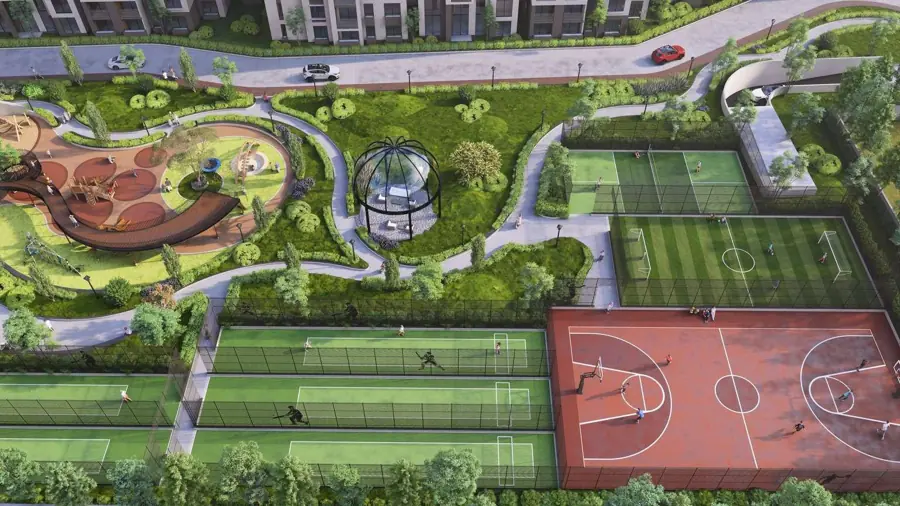
Abhee Celestial City Phase 2 is envisioned as a lifestyle-centric township, featuring over 100 carefully selected amenities spread throughout landscaped zones and multiple clubhouses. The project showcases four magnificent clubhouses, totaling over 1.5 lakh sq. ft., designed to enhance recreation, wellness, and community engagement.

Key lifestyle features include a golf range, a charming man-made lake, fitness and wellness areas, indoor and outdoor recreational spaces, and beautifully landscaped gardens. These amenities are thoughtfully integrated into the master plan, ensuring they are easily accessible while preserving the privacy of residents.

This kind of township-level amenity planning helps reduce dependence on outside facilities, creating a self-sustaining residential environment.

Residential Living and Urban Density

Phase 2 features 14 towers that reach heights of 35 floors, designed as a vertical residential space that optimizes land use while still prioritizing open areas. This vertical planning enables a large number of homes to share the space with landscaped leisure spots, internal roads, and areas that are friendly for pedestrians.

The design of the residences focuses on bringing in natural light, ensuring proper ventilation, and maintaining a comfortable distance between the towers. This strategy not only enhances privacy but also encourages a sense of community living in a densely populated urban setting.

Infrastructure Alignment and Connectivity

Abhee Celestial City Phase 2 is perfectly positioned within a rapidly changing infrastructure landscape. The Whitefield–Varthur–Sarjapur corridor is seeing a flurry of road upgrades, new connecting routes, and planned transit systems that will significantly improve long-term accessibility.

This project provides easy access to major IT hubs like ITPL, RGA Tech Park, and Wipro SEZ, making it an attractive spot for professionals working throughout East Bangalore.

The development driven by infrastructure is crucial for maintaining the long-term significance of township projects like this one.

Community Infrastructure and Daily Living

The township goes beyond just housing by incorporating essential infrastructure like retail shops, wellness centers, and community spaces. These features help create a balanced lifestyle, making it easier for residents to handle their daily activities without long commutes.

By including amenities that cater to multiple generations, the township ensures that families, working professionals, and seniors can all enjoy the space, highlighting its commitment to inclusive planning.

The Role of Abhee Projects in Bangalore

Abhee Celestial City Phase 2, also known as Abhee Codename New Dimension, is part of the larger vision crafted by Abhee Projects Bangalore. The developer focuses on creating expansive, phased townships, showcasing a commitment to long-term urban residential development.

By synchronizing project execution with the readiness of infrastructure and the patterns of urban growth, Abhee Ventures Bangalore ensures that its developments blend effortlessly into the ever-expanding landscape of Bangalore.

The Significance of Abhee Celestial City Phase 2 in East Bangalore

Abhee Celestial City Phase 2 marks a significant step forward in the concept of township living in East Bangalore. Building on the groundwork established by Phase 1, this project showcases how expansive residential communities can evolve to meet the ever-changing demands of urban life.

With its impressive scale, variety in layout, extensive amenities, and well-planned infrastructure, it serves as a key example for residential development along the Whitefield–Varthur–Sarjapur corridor.

Conclusion

Abhee Celestial City Phase 2 is the name most people use when talking about the residential community now known as Abhee Codename New Dimension. Spanning 45 acres and featuring 14 high-rise towers, over 3,000 homes, and more than 100 lifestyle amenities, this project marks an exciting new chapter in the development of the Abhee Celestial City township in East Bangalore.

Brought to life by Abhee Ventures Bangalore, Phase 2 embodies modern urban planning principles that focus on scale, connectivity, and a seamless lifestyle. By understanding how it connects to Phase 1 and its current pre-launch identity, we can see how this township is redefining residential living in one of Bangalore’s most rapidly developing areas.

Frequently Asked Questions (FAQs) on Abhee Celestial City Phase 2

1. What is Abhee Celestial City Phase 2?

Abhee Celestial City Phase 2 is the upcoming phase of the Abhee Celestial City township located in East Bangalore. It’s currently being introduced under the pre-launch name Abhee Codename New Dimension.

2. Is Abhee Celestial City Phase 2 the same as Abhee Codename New Dimension?

Yes, Abhee Codename New Dimension is simply the pre-launch name for what we commonly know as Abhee Celestial City Phase 2, although the official name can be expected to be different.

3. Where is Abhee Celestial City Phase 2 located?

You can find this project along the Whitefield–Varthur–Sarjapur Road corridor in East Bangalore, right next to Greenwood High International School and in close proximity to Abhee Celestial City Phase 1.

4. How is Phase 2 connected to Abhee Celestial City Phase 1?

Phase 2 is set to be a township extension, positioned close to Phase 1. It maintains the same large-scale residential planning style while expanding the overall development footprint.

5. What kind of development is Abhee Celestial City Phase 2?

This is a well-planned, high-rise residential township that spans 45 acres, featuring several towers, open areas, and a variety of lifestyle amenities.

6. What residential configurations are available in Phase 2?

The development will offer 2, 2.5, 3, 3.5, and 4.5 BHK apartments, with unit sizes ranging from approximately 1,180 sq. ft. to 2,600 sq. ft.

7. Who is the developer behind Abhee Celestial City Phase 2?

This project is brought to life by Abhee Ventures Bangalore, as part of the larger vision for the Abhee Celestial City township.

8. Why is Phase 2 considered important in East Bangalore’s growth corridor?

Phase 2 plays a crucial role in the infrastructure-driven growth along the Whitefield–Varthur–Sarjapur Road area, a region that’s been significantly influenced by residential development, job opportunities, and ongoing improvements in connectivity.

Recent Posts

Master-Planned Townships in East Bangalore: How Integrated Living Is Shaping Urban Growth

lakeview township abhee ventures new launch

What Is a Master-Planned Township and Why It Matters in East Bangalore

Register Your EOI Now / Book Your Site Visit

A master-planned township is a comprehensive residential development that’s designed to function as a self-contained urban ecosystem. In these townships, everything from homes to infrastructure, amenities, green spaces, and daily conveniences is thoughtfully planned from the ground up. This stands in contrast to fragmented developments that emerge in isolation; master-planned townships are built with a long-term vision that prioritizes accessibility, livability, and sustainable growth.

In the rapidly expanding urban landscape of East Bangalore, master-planned townships are gaining traction. Projects like Abhee Codename New Dimension, also known as Abhee Celestial City Phase 2, exemplify this planning strategy by harmoniously blending residential areas with open spaces, social infrastructure, and cutting-edge connectivity.

Understanding the Concept of a Master-Planned Township

A master-planned township is characterized by its all-encompassing planning strategy. Rather than just concentrating on individual structures, the entire township is envisioned as a cohesive unit, often covering vast expanses. Before any building begins, crucial aspects like road networks, drainage, utilities, recreational facilities, and zoning are meticulously planned.

This thoughtful approach helps to ease long-term infrastructure pressures and guarantees that as residential areas grow, they’re accompanied by the necessary services. In cities like Bangalore, where unplanned growth has historically resulted in traffic jams and uneven development, township planning offers a much-needed structural equilibrium.

Why East Bangalore Is Experiencing a Rise in Township Developments

East Bangalore has emerged as one of the city’s most significant growth corridors, thanks to its proximity to key employment hubs, technology parks, and major road networks. Areas like Whitefield, Varthur Road, and Sarjapur Road have transformed from peripheral zones into vibrant residential and commercial districts.

With land becoming scarce in the city center, the larger, contiguous plots in East Bangalore allow developers to pursue township-scale planning. This makes the area ideal for integrated projects such as Abhee Codename New Dimension, which align residential density with thoughtful open space design.

Core Components of a Master-Planned Township

Residential Zoning

In a township, residential areas are usually arranged in clusters or towers, with landscaped buffers and internal roads in between. This setup not only provides privacy but also keeps the space feeling open and airy.

Open Spaces and Green Networks

A standout characteristic of master-planned communities is their focus on open spaces. Parks, gardens, walking paths, and water features are strategically placed to create green corridors that improve the local climate and overall livability.

Social and Lifestyle Infrastructure

Townships typically feature clubhouses, sports facilities, wellness areas, and community gathering spots. These amenities are thoughtfully designed to ensure they’re easily accessible to all residents, preventing any one area from becoming too crowded.

Internal Circulation and Mobility

Having well-planned internal road systems, along with pedestrian paths and bike lanes, can really cut down on the need to rely on outside infrastructure for short trips. This enhances safety and adds a layer of convenience to our daily routines.

The Role of Infrastructure-Led Planning

Infrastructure-led planning means coordinating residential development with existing and upcoming connectivity upgrades, including arterial roads, ring roads, and public transit systems. In East Bangalore, initiatives like CDP roads, ring roads, and metro expansions significantly shape the layout and accessibility of townships.

For example, Abhee Codename New Dimension is strategically located in an infrastructure-focused zone, where future connectivity enhancements are already integrated into the city’s development plans.

How Master Planning Impacts Daily Living

Looking at it from a resident’s perspective, the benefits of township planning are evident in our everyday lives. Shorter travel times within the community, access to parks, and closeness to schools or healthcare facilities all help create a more balanced lifestyle.

Rather than having to navigate through scattered neighborhoods for their daily necessities, residents of master-planned developments enjoy a well-structured environment that supports smooth movement and long-term comfort.

Long-Term Urban Value of Township Developments

From the perspective of urban planning, master-planned townships play a key role in creating more stable real estate environments. By spreading out density, keeping open spaces intact, and incorporating various amenities, these developments tend to age more gracefully.

In areas like Varthur–Sarjapur Road, townships help shape the character of neighborhoods and often serve as benchmarks for future development trends. This leads to steady demand and ongoing significance within the urban landscape.

East Bangalore Townships and Market Behavior

In East Bangalore, the residential market is leaning more towards integrated developments instead of standalone buildings. This trend is particularly noticeable among end users who are looking for long-term homes. Township-scale projects are becoming increasingly popular with families and professionals who value thoughtful planning, safety, and a strong sense of community.

Abhee Projects Bangalore is a prime example of this shift, showcasing a move towards well-organized residential environments rather than haphazard growth.

Master Planning vs. Standalone Residential Projects

Standalone residential projects usually depend on the existing infrastructure for things like roads, utilities, and community services. On the other hand, master-planned townships take care of many of these needs internally, which means they rely less on outside resources.

This difference is particularly important in rapidly growing areas, where the necessary civic infrastructure might lag behind the increasing population.

Environmental and Sustainability Considerations

In today’s world, township planning is increasingly focused on sustainability. This includes practices like rainwater harvesting, effective sewage treatment, waste management systems, and energy-efficient layouts. Implementing these features is often simpler on a township scale than in standalone projects.

Additionally, incorporating expansive green buffers and water bodies contributes to regulating temperatures and enhancing environmental resilience.

How Township Planning Aligns with Future Urban Growth

Cities don’t just change overnight; they evolve over many years. That’s why master-planned developments are created with a long-term vision. With phased construction, designated areas for future development, and flexible zoning, townships can adapt to the shifting needs of urban life without causing disruption for current residents.

This flexibility is a big reason why integrated developments stay relevant, even as the surrounding areas become more densely populated.

The Significance of Master-Planned Living at Abhee Codename New Dimension

As part of a grander township vision, Abhee Codename New Dimension embodies a strategic approach to residential development in East Bangalore. Its layout, zoning, and relationship with the surrounding region are in line with the principles we’ve talked about.

Referred to as Abhee Celestial City Phase 2, this project illustrates how contemporary township planning fosters both immediate comfort and long-term urban cohesion.

Conclusion

Think of a master-planned township as more than just a place to live; it’s a comprehensive urban design that promotes sustainable growth, smart use of infrastructure, and a better quality of life. In East Bangalore, where the city is evolving at a breakneck pace, these township developments are vital for establishing a structured urban experience.

By understanding this planning method, you gain important context for evaluating residential projects in the region, including those brought to life by Abhee Projects Bangalore.

Frequently Asked Questions (FAQs) on Master-Planned Township Living in East Bangalore

1. What is a master-planned township?

A master-planned township is a large residential area designed with homes, roads, parks, and amenities all in mind, creating a self-sufficient living space for its residents.

2. Why are master-planned townships important in East Bangalore?

As East Bangalore continues to grow quickly due to the rise of IT hubs and infrastructure development, master-planned townships are essential for achieving balanced growth, enhancing mobility, and ensuring a sustainable living environment.

3. How does a master-planned township enhance everyday living?

It minimizes travel within the community, offers well-organized open spaces, and guarantees that amenities and infrastructure are easily accessible without relying too much on the surrounding areas.

4. Are township developments a better fit for long-term living?

Absolutely. These township projects are designed with phased growth, future infrastructure integration, and sustainable layouts, making them a great choice for long-term residential living.

5. How does infrastructure planning impact the value of a township?

Townships that are strategically planned around upcoming roads and transit corridors see benefits like improved connectivity, better access, and a more significant long-term role in urban development.

6. Why is East Bangalore perfect for large-scale township projects?

With ample land available and its proximity to job centers, East Bangalore allows for a level of integrated planning that’s hard to achieve in busier city areas.

Recent Posts

Property Price Appreciation in East Bangalore: Sarjapur-Whitefield ROI Trends Since 2020

property price appreciation in east bangalore depiction image

Property Price Appreciation in East Bangalore: Corridor Growth, Long-Term Trends & What It Means for Abhee Codename New Dimension

Register Your EOI Now / Book Your Site Visit

In real estate, the return on investment (ROI) is often closely linked to property price appreciation-the increase in market value over time. While short-term market shifts can happen, the long-term trends driven by infrastructure improvements, job growth, and urban expansion provide a more meaningful context for understanding how value changes.

Looking at the Sarjapur Whitefield / Varthur Sarjapur corridor in East Bangalore, we see that residential property values have consistently risen over the past few years. Market analysts and local real estate activity show that, on average, prices in this area have increased by about 2.5 times since 2020. This trend reflects a mix of urbanization, strategic infrastructure planning, and a growing demand from both homebuyers and investors.

As new residential areas like Abhee Codename New Dimension integrate into the urban environment, it’s essential for potential homebuyers and investors to comprehend the factors that contribute to price growth.

Understanding Property Price Appreciation and ROI in Real Estate

Property price appreciation is all about how the value of real estate climbs over time. It’s different from rental yield, which is the cash flow you get from renting out a property. While both aspects play a role in the overall return on an investment, price appreciation usually takes the lead when it comes to long-term performance in residential real estate.

When it comes to ROI in residential real estate, several factors come into play, including:

    1. The fundamentals of the location
    2. Improvements in infrastructure
    3. Growth in jobs and the economy
    4. The balance of supply and demand

A 2.5× increase over several years, like what we’ve seen in this area since 2020, indicates that a mix of broader economic trends and local factors have pushed demand and property values higher.

Growth Trends in the Sarjapur Whitefield Corridor Since 2020

The Sarjapur Whitefield corridor stretches through a key area in East Bangalore, linking important roads like the Outer Ring Road (ORR), Varthur Road, and Sarjapur Road. Over the years, this corridor has transitioned from a mix of small villages and towns into a vibrant hub for both living and working.

Since 2020, we’ve noticed some clear trends emerging:

Infrastructure Development

There have been significant upgrades to infrastructure that have enhanced accessibility, such as:

    • Widening of main roads
    • New ring road plans
    • Development of mass transit options

These enhancements have made commuting easier and improved connections with central Bangalore. Better accessibility usually leads to increased demand, especially from professionals looking for shorter travel times and a higher quality of life.

Employment Hub Expansion

This region is home to several major tech parks, corporate offices, and business centers. Whitefield stands out as one of India’s top IT hubs, attracting multinational companies and tech firms. With so many job opportunities available, the demand for nearby housing is on the rise, making it easier for people to live close to work.

Social & Urban Amenities

This corridor now features a wealth of social infrastructure, including international schools, multispecialty hospitals, shopping complexes, and lifestyle venues. The growth in these amenities boosts livability and attracts both families and professionals.

All these factors together have led to a significant increase in property values, with a remarkable 2.5× rise since 2020.

Patterns of Investor & End-User Participation

When it comes to real estate, investors and homebuyers have different goals in mind. Investors often look for future capital gains through price appreciation, while end users focus on convenience, lifestyle, accessibility, and the features of the community.

In the Sarjapur–Whitefield corridor:

    • End users are attracted by how close they are to their workplaces and local amenities.
    • Investors keep an eye on infrastructure developments and the fundamentals of long-term demand.
    • The market activity showcases a blend of both user segments, adding richness to the demand.

The strong demand from end users, combined with investor interest, creates a lively pricing environment that often enhances price stability and growth potential.

property price appreciation in east bangalore depiction image

Price Index Behavior: Understanding “2.5× Since 2020”

A 2.5× appreciation indicates that, on average, property values in the corridor have risen by roughly 150% from 2020 to now.

It’s essential to understand what this number really means:

Not a Guarantee, But a Trend Indicator

This isn’t a promise of returns for specific properties.

What it does represent is a trend seen across various residential segments in the corridor.

Instead of taking this data as a direct prediction of future returns, consider it a long-term trend indicator. It highlights that, historically, prices in this micro-market have shown significant upward movement compared to the broader regional averages.

Ever-Changing Market Conditions

Property markets are influenced by larger economic trends, job cycles, policy shifts, and changes in interest rates. While long-term price trends tend to smooth out the bumps of short-term fluctuations, it’s important to keep this in mind.

The Connection Between Price Appreciation and Location Fundamentals

Location is undoubtedly the most important factor influencing property value. Key elements that drive long-term price increases include:

    • Good connectivity to employment centers
    • Access to quality education and healthcare facilities
    • Closeness to developing infrastructure
    • Consistency in urban planning and zoning regulations

The Sarjapur–Whitefield corridor embodies many of these fundamentals, shedding light on the appreciation trends we’ve seen since 2020.

How Corridor Appreciation Relates to Abhee Codename New Dimension

When you’re looking at a residential area for its long-term value, it’s important to think about how a project fits into the larger market picture.

Abhee Codename New Dimension is located right on the Varthur–Sarjapur Road, in the heart of a corridor that’s been seeing some impressive growth. This prime spot offers:

    • Close proximity to major job hubs like Whitefield and the Outer Ring Road
    • Easy access to both established and up-and-coming infrastructure
    • Nearby social amenities, including schools, hospitals, and shopping centers

Abhee Codename New Dimension shares key characteristics with the location fundamentals that have traditionally fueled price increases in the corridor.

Keep in mind that the real performance of a property is influenced by several specific factors, including:

    • Unit configuration
    • Floor level
    • Demand and supply dynamics
    • Market cycles

Nonetheless, having a good understanding of location trends can really help in evaluating long-term value.

Investor Confidence and Market Signals in East Bangalore

Investor confidence in the real estate market is typically assessed through several important metrics:

    • Ongoing price appreciation
    • Absorption rates for new launches
    • Transaction volumes
    • Trends in rental occupancy

Looking specifically at the Sarjapur–Whitefield corridor:

    • Various segments have maintained strong transaction activity, even when the overall market has slowed down
    • The area’s reputation as a hub for both employment and living keeps interest levels high

These indicators work together to create a sense of confidence among both investors and end users, which in turn influences the pricing dynamics in the corridor.

Price Appreciation vs. Speculation: What You Need to Know

It’s important to differentiate between:

    • Price appreciation – the long-term, structural increase in value
    • Speculation – short-term trading based on perceived demand

Appreciation is a reflection of the true balance between supply and demand, while speculation relies on short-lived market sentiment.

In East Bangalore, the remarkable 2.5× rise since 2020 should be seen as a fundamental trend, influenced by the area’s core attributes, rather than just a series of short-term speculative spikes.

What Homebuyers & Investors Should Know

When it comes to understanding price trends and ROI, here are some key points to remember:

    • Always consider multi-year data rather than just quarterly changes.
    • Be aware of the infrastructure context.
    • Look into employment and social fundamentals.
    • Assess how particular locations align with broader corridor dynamics.

Long-term value appreciation is usually more significant when supported by structural advantages, such as those present in the Sarjapur Whitefield corridor.

Conclusion

Property price appreciation is one of the key indicators of how healthy the real estate market is. In the Sarjapur–Whitefield / Varthur–Sarjapur corridor of East Bangalore, we’ve seen a significant rise in property values since 2020, with residential segments experiencing an impressive 2.5× increase.

This trend isn’t just about guaranteed returns; it emphasizes the role of connectivity, urban expansion, and job growth in driving residential demand. For areas within these corridors, like Abhee Codename New Dimension, understanding these structural dynamics is essential for grasping how accessibility and market fundamentals interact over time.

By focusing on location fundamentals, infrastructure context, and demand drivers, homebuyers and investors can make more informed decisions about long-term residential value trends.

Frequently Asked Questions (FAQs) on Property Price Appreciation in East Bangalore

1. What is meant by property price appreciation in real estate?

Property price appreciation refers to the rise in a property’s market value over time. This increase is typically driven by factors such as location, infrastructure improvements, demand, and economic growth.

2. How has the Sarjapur–Whitefield corridor been performing since 2020?

The residential property market in the Sarjapur–Whitefield and Varthur–Sarjapur corridor has seen impressive growth since 2020, with market trends indicating a strong potential for long-term appreciation.

3. What does “2.5× price growth since 2020” mean?

A 2.5× growth means that the average residential prices in this area have seen a significant increase over the years, showing that there’s been a steady demand rather than just temporary market changes.

4. Why do infrastructure corridors experience higher price appreciation?

Infrastructure corridors gain from better connectivity, easier access to jobs, and thoughtful urban planning, all of which boost housing demand and help prices grow steadily over time.

5. Is property price appreciation the same as guaranteed ROI?

No, they’re not the same. Property price appreciation shows you the trends from the past and the market, while ROI can change based on things like when you buy, how long you keep the property, the state of the market, and the specific characteristics of the property.

6. Why is East Bangalore considered a strong residential growth zone?

East Bangalore stands out as a prime area for residential growth due to its blend of job centers, improving infrastructure, and well-developed social amenities. This makes it one of the most consistently growing residential neighborhoods in the city.

The value of projects like Abhee Codename New Dimension, located on Varthur–Sarjapur Road, is closely linked to the location trends in high-growth corridors. These projects thrive on the same factors that are driving appreciation in the area.

Recent Posts

Upcoming Infrastructure Developments in East Bangalore

infrastructure developments around abhee codename new dimension

Upcoming Infrastructure Developments in East Bangalore

Register Your EOI Now / Book Your Site Visit

The upcoming infrastructure developments in East Bangalore are set to transform the area with significant road, transit, and regional connectivity projects that will support the city’s growth towards the east. This region, particularly the Whitefield–Varthur–Sarjapur Road corridor, is moving from a phase of peripheral expansion to a more structured approach to urban planning focused on infrastructure. For residential developments in this area, such as Abhee Codename New Dimension, these upgrades are vital for improving accessibility, streamlining commutes, and boosting long-term livability.

East Bangalore’s infrastructure strategy revolves around four major upgrades: the 150-ft CDP Road, the Peripheral Ring Road (PRR), the Satellite Town Ring Road (STRR), and the forthcoming Metro expansion. Collectively, these projects are designed to alleviate congestion, distribute traffic more effectively, and enhance daily mobility throughout Bengaluru.

150-ft CDP Road: Enhancing Local Connectivity Around the Project

A CDP (Comprehensive Development Plan) Road is an essential arterial road outlined in Bengaluru’s urban master plan, designed to facilitate smoother intra-city travel and improve last-mile access. The upcoming 150-ft CDP Road, situated near Abhee Codename New Dimension, is intended to be a wide, signal-friendly corridor that connects Varthur Road with Sarjapur Road and the surrounding neighborhoods.

From a functional viewpoint, this road enhancement offers:

    • Improved entry and exit flow from the project area
    • Enhanced access to nearby schools, healthcare services, and shopping districts
    • A better distribution of traffic, helping to alleviate congestion on narrower internal roads

For those living in Abhee Codename New Dimension, the CDP Road will greatly enhance local mobility, making everyday travel more convenient and reducing the need to navigate through crowded junctions. Such roads are vital for residential developments, as they promote consistent commuting patterns and help ease traffic during peak times.

Peripheral Ring Road (PRR): Transforming Regional Travel Access

Peripheral Ring Road (PRR) map illustrating route and connections around East Bangalore

The Peripheral Ring Road (PRR) is set to be one of Bengaluru’s most important infrastructure projects on the horizon. Designed as a high-capacity ring road that extends beyond the Outer Ring Road (ORR), the PRR aims to redirect long-distance and freight traffic away from the bustling city center.

For those living along the Varthur–Sarjapur Road corridor, the PRR brings:

    • Quicker travel between east and west, as well as north and south
    • Less congestion on the ORR and at the Silk Board Junction
    • Simpler access to key employment hubs throughout Bengaluru

From the perspective of Abhee Codename New Dimension, the PRR enhances regional connectivity, enabling residents to navigate different parts of the city without getting stuck in traffic jams. This is especially beneficial for professionals who work across various tech corridors or businesses that need to travel across the city.

Satellite Town Ring Road (STRR): Improving Long-Distance Connectivity

Satellite Town Ring Road (STRR) alignment map showing connectivity around Bengaluru

The Satellite Town Ring Road (STRR) is a state-level project aimed at connecting Bengaluru with its neighboring satellite towns, including Doddaballapur, Hoskote, Devanahalli, and Ramanagara. Unlike roads that cater mainly to city traffic, STRR is designed for inter-city travel and logistics.

For those considering residential developments in East Bangalore:

    • STRR decreases the need to rely on city roads for long-distance trips
    • Enhances access to industrial and growing economic zones
    • Encourages balanced urban development beyond Bengaluru’s limits

When it comes to Abhee Codename New Dimension, STRR plays a crucial role in improving connectivity, making travel to satellite towns and nearby hubs much more efficient. This is particularly advantageous for families, business owners, and professionals whose travel extends beyond the traditional city boundaries.

Metro Expansion in East Bangalore: Future Public Transit Access

Proposed and upcoming Namma Metro expansion corridors in East Bangalore

Bengaluru’s Metro network is on the rise, with planned phases aimed at enhancing mass rapid transit throughout the city. This includes new corridors that will significantly improve connectivity for the eastern and southeastern areas.

One of the standout proposals is the Sarjapur–Hebbal Metro corridor, commonly known as Phase 3A of the Namma Metro network. In December 2024, the Karnataka Cabinet gave the green light to this ambitious Rs 28,405 crore project, which will stretch about 36.6 km from Sarjapur in the southeast to Hebbal in the north, featuring multiple stations and interchanges.

    • Starting as an elevated corridor from Sarjapur to Iblur/Koramangala, the alignment will then transition underground as it travels through central Bengaluru, finally emerging at Hebbal.
    • The proposed line will connect with current Metro corridors, including the Blue Line on ORR, at stations like Iblur and Dairy Circle. This will enhance connectivity for residents in the eastern suburbs, linking them to the larger Metro network.

The Sarjapur–Hebbal line is a significant long-term project, with an expected completion date around 2031, according to reports from BMRCL sources. This initiative marks an important step forward in providing mass transit access for Sarjapur Road and the nearby areas.

In addition to Phase 3A, there are several other segments of the Metro network that enhance connectivity to the east, including:

    • The Phase 2 and Phase 2A extensions along the Outer Ring Road (Blue Line), which link Silk Board, HSR, Bellandur, Kadubeesanahalli, and KR Puram. This development brings Metro access closer to the wider eastern region.
    • The Purple Line extension heading toward Whitefield (Kadugodi) significantly improves east-west transit and bolsters connections to the city’s IT hubs and residential areas.

Together, these initiatives broaden public transit access to the eastern suburbs and lay the groundwork for better multi-modal transportation options for both residents and commuters.

For residential areas like Abhee Codename New Dimension, the upcoming Metro connectivity is set to enhance the local transportation landscape significantly. Although direct access to the metro might still be a few years away, the addition of nearby routes and interchanges will gradually lessen the need for private cars and provide more reliable transit options as the Metro network grows.

Infrastructure-Led Urban Growth in East Bangalore

Infrastructure-led development is a strategy where roads, transit systems, and utilities are developed either before or alongside new housing projects. East Bangalore is a prime example of this, with a variety of infrastructure initiatives coming together along key growth corridors.

This method results in:

    • Improved traffic management
    • Higher standards of urban planning
    • Better connections between residential and commercial areas

Abhee Codename New Dimension benefits from being in an area that emphasizes infrastructure development rather than waiting for it to catch up. This means that as the surrounding network grows, accessibility will keep getting better and better.

Why Infrastructure Planning is Essential for Residential Townships

The infrastructure in a community significantly shapes the daily experiences of its residents. Effective connectivity affects:

    • Commute lengths
    • Access to schools and healthcare
    • Response times during emergencies
    • The general quality of life

For larger residential developments, infrastructure is crucial for ensuring a smooth integration with the city. Abhee Codename New Dimension is perfectly positioned to take advantage of multiple planned upgrades, rather than relying solely on one access point.

What These Developments Mean for Daily Living at Abhee Codename New Dimension

When you look at the CDP Road, PRR, STRR, and Metro expansion together, they create a comprehensive mobility network around the project. Each component has its own unique role:

    • CDP Road supports local and neighborhood travel.
    • PRR allows for smooth cross-city journeys.
    • STRR provides access between cities.
    • Metro enhances the efficiency of mass transit.

For the residents, this means more freedom to move around– choosing different routes and modes of travel based on what works best for their schedule, distance, and convenience. Over time, this kind of infrastructure really helps to ease travel hassles and promotes a more balanced urban lifestyle.

East Bangalore’s Infrastructure Outlook

East Bangalore is evolving from a peripheral residential area into a strategically connected urban district. The focus on infrastructure development in this region highlights its crucial role in Bengaluru’s long-term growth strategy.

As these projects take shape, the Whitefield–Varthur–Sarjapur Road corridor is expected to benefit from improved accessibility, better traffic management, and a stronger link to the rest of the city. Abhee Codename New Dimension, located within this infrastructure landscape, illustrates how modern residential planning is aligned with Bengaluru’s vision for future mobility.

Frequently Asked Questions (FAQs) on Upcoming Infrastructure Developments in East Bangalore

1. What are the major upcoming infrastructure developments in East Bangalore?

In East Bangalore, some of the significant infrastructure projects on the horizon include the 150-ft CDP Road, the Peripheral Ring Road (PRR), the Satellite Town Ring Road (STRR), and an expansion of the Metro system that will link residential areas to key employment hubs.

2. What is a 150-ft CDP Road and why is it important?

The 150-ft CDP Road is a major arterial road planned under Bengaluru’s master plan, designed to enhance local connectivity, reduce traffic jams, and ensure smoother access for residents and businesses alike.

3. How does the Peripheral Ring Road (PRR) improve connectivity in East Bangalore?

The PRR makes it easier to travel across the city by redirecting long-distance traffic away from the busy city streets. This helps to ease the congestion on the Outer Ring Road and at major intersections.

4. What role does the Satellite Town Ring Road (STRR) play in Bengaluru’s infrastructure?

The STRR boosts connectivity between Bengaluru and its neighboring satellite towns, facilitating long-distance travel, logistics, and promoting balanced development across the region.

5. How will the Metro expansion affect residents in East Bangalore?

The Metro expansion is set to enhance public transportation access, lessen the reliance on private cars, and provide more reliable commute times for those traveling around Bengaluru.

6. Why is infrastructure-led development crucial for residential neighborhoods?

Infrastructure-led development is vital because it ensures that roads and transit systems evolve alongside residential areas, making them more accessible, easing traffic congestion, and promoting long-term livability in urban settings.

7. How do multiple infrastructure projects together improve mobility?

The combination of roads, ring roads, and metro systems enhances connectivity, allowing residents to select the best routes and modes of transport depending on their distance and purpose.

8. Why is East Bangalore considered a high-growth infrastructure corridor?

East Bangalore is a focus for infrastructure improvements due to its rapidly developing residential neighborhoods, job opportunities, and its strategic location that connects Bengaluru with key satellite towns.

Recent Posts

Enter Your Details to Request Complete Information

Exclusive Offers | Download Brochure | Schedule Site Visit