Property Price Appreciation in East Bangalore: Corridor Growth, Long-Term Trends & What It Means for Abhee Codename New Dimension
Register Your EOI Now / Book Your Site Visit
In real estate, the return on investment (ROI) is often closely linked to property price appreciation-the increase in market value over time. While short-term market shifts can happen, the long-term trends driven by infrastructure improvements, job growth, and urban expansion provide a more meaningful context for understanding how value changes.
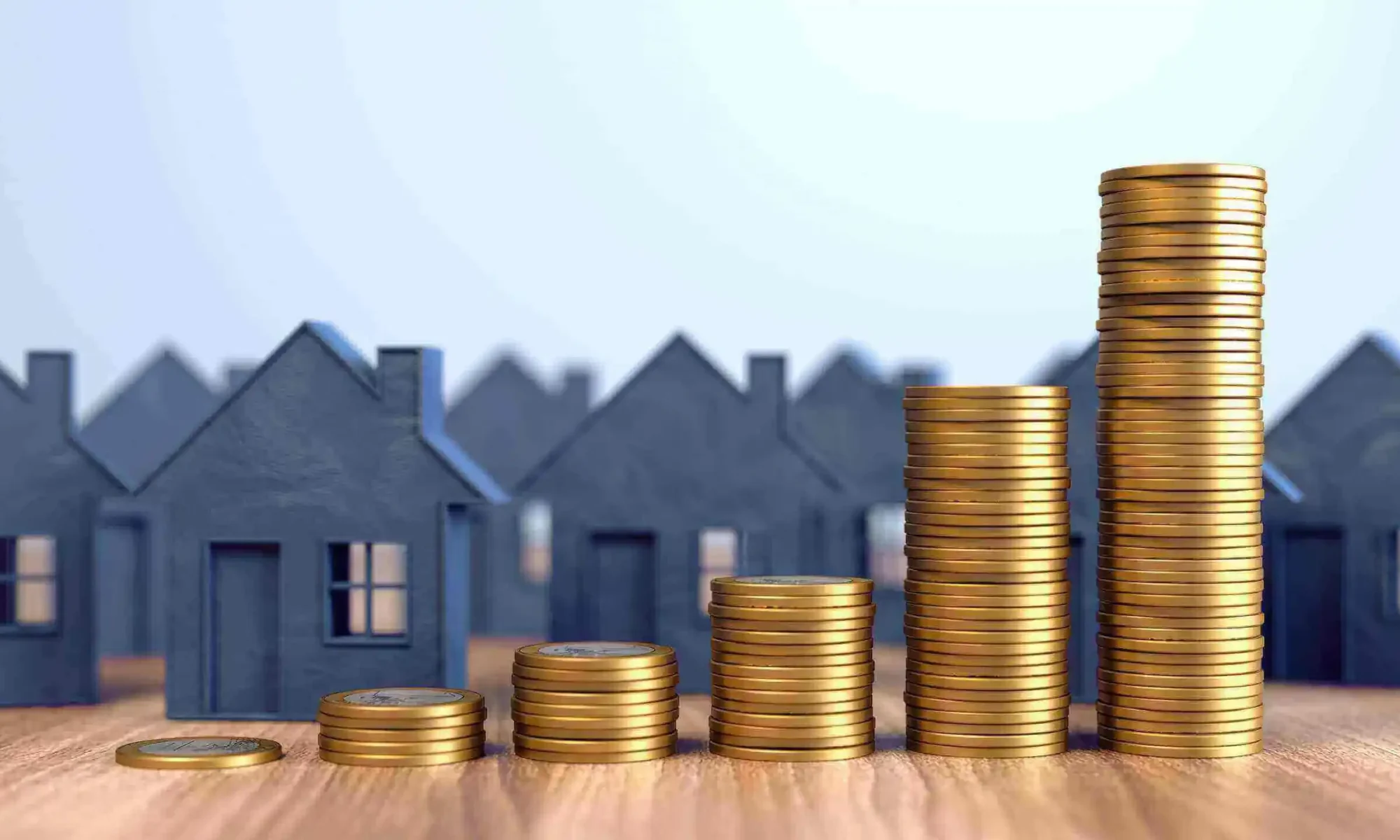
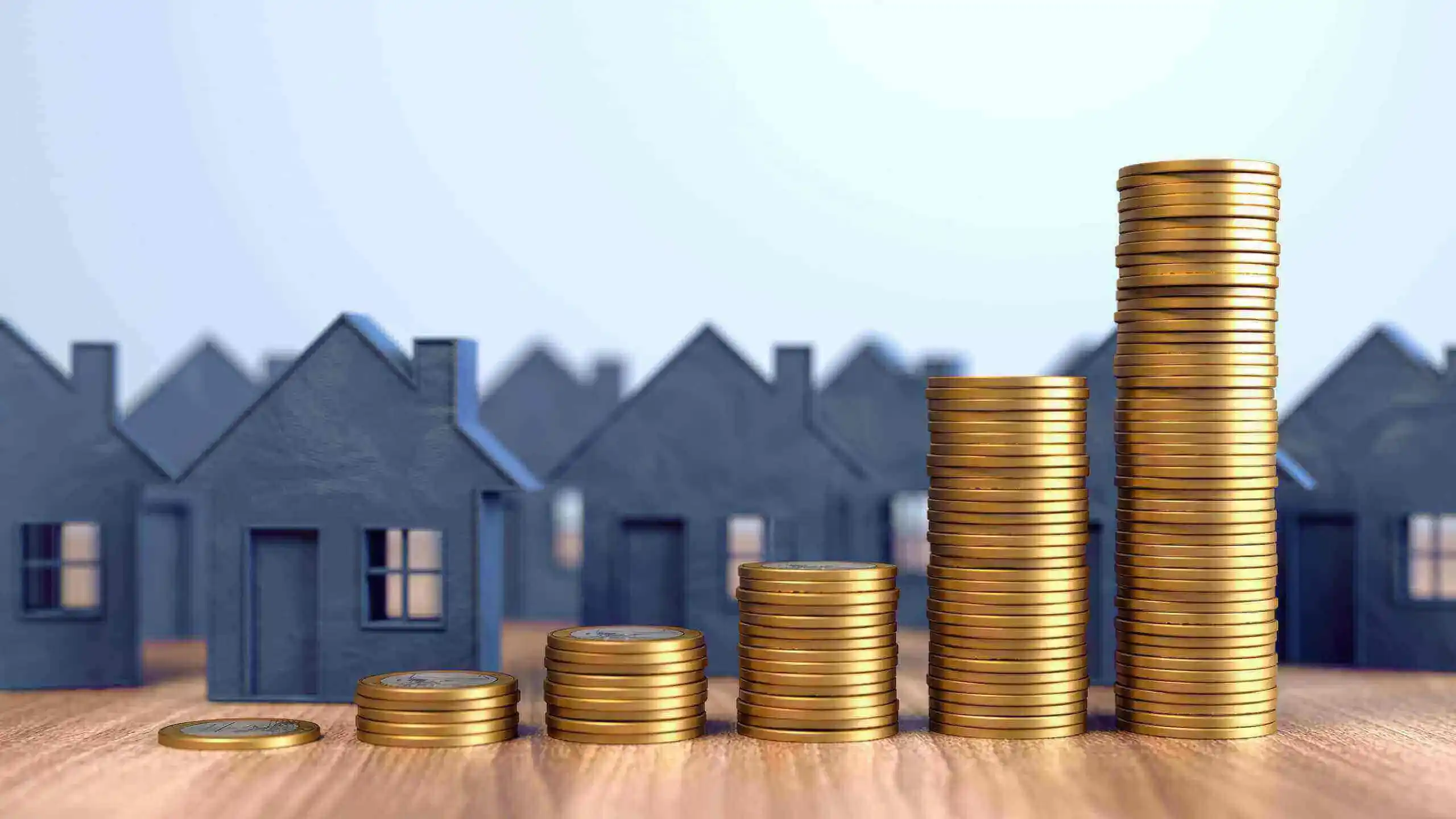
Looking at the Sarjapur Whitefield / Varthur Sarjapur corridor in East Bangalore, we see that residential property values have consistently risen over the past few years. Market analysts and local real estate activity show that, on average, prices in this area have increased by about 2.5 times since 2020. This trend reflects a mix of urbanization, strategic infrastructure planning, and a growing demand from both homebuyers and investors.
As new residential areas like Abhee Codename New Dimension integrate into the urban environment, it’s essential for potential homebuyers and investors to comprehend the factors that contribute to price growth.
Understanding Property Price Appreciation and ROI in Real Estate
Property price appreciation is all about how the value of real estate climbs over time. It’s different from rental yield, which is the cash flow you get from renting out a property. While both aspects play a role in the overall return on an investment, price appreciation usually takes the lead when it comes to long-term performance in residential real estate.
When it comes to ROI in residential real estate, several factors come into play, including:
- The fundamentals of the location
- Improvements in infrastructure
- Growth in jobs and the economy
- The balance of supply and demand
A 2.5× increase over several years, like what we’ve seen in this area since 2020, indicates that a mix of broader economic trends and local factors have pushed demand and property values higher.
Growth Trends in the Sarjapur Whitefield Corridor Since 2020
The Sarjapur Whitefield corridor stretches through a key area in East Bangalore, linking important roads like the Outer Ring Road (ORR), Varthur Road, and Sarjapur Road. Over the years, this corridor has transitioned from a mix of small villages and towns into a vibrant hub for both living and working.
Since 2020, we’ve noticed some clear trends emerging:
Infrastructure Development
There have been significant upgrades to infrastructure that have enhanced accessibility, such as:
- Widening of main roads
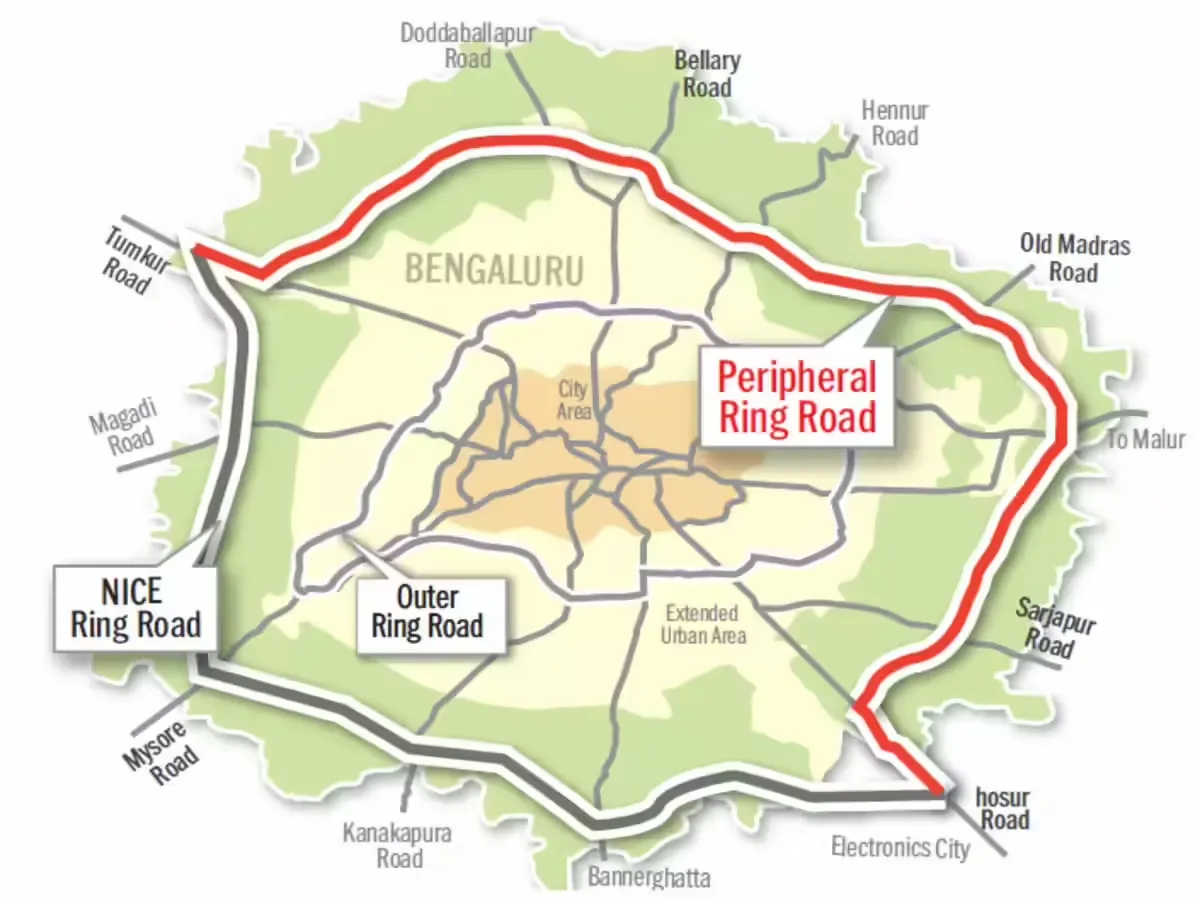
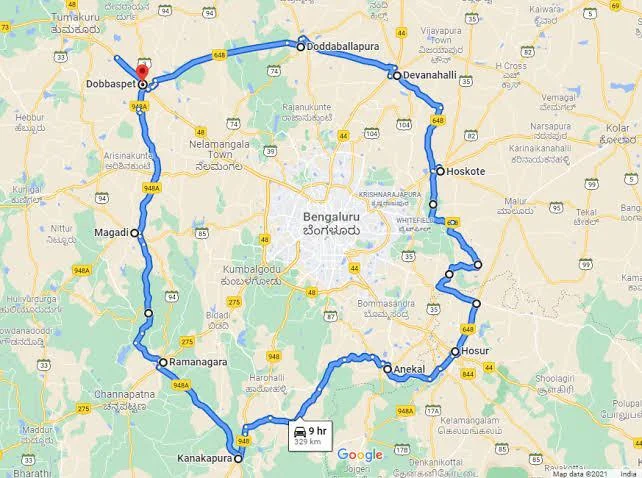
- New ring road plans
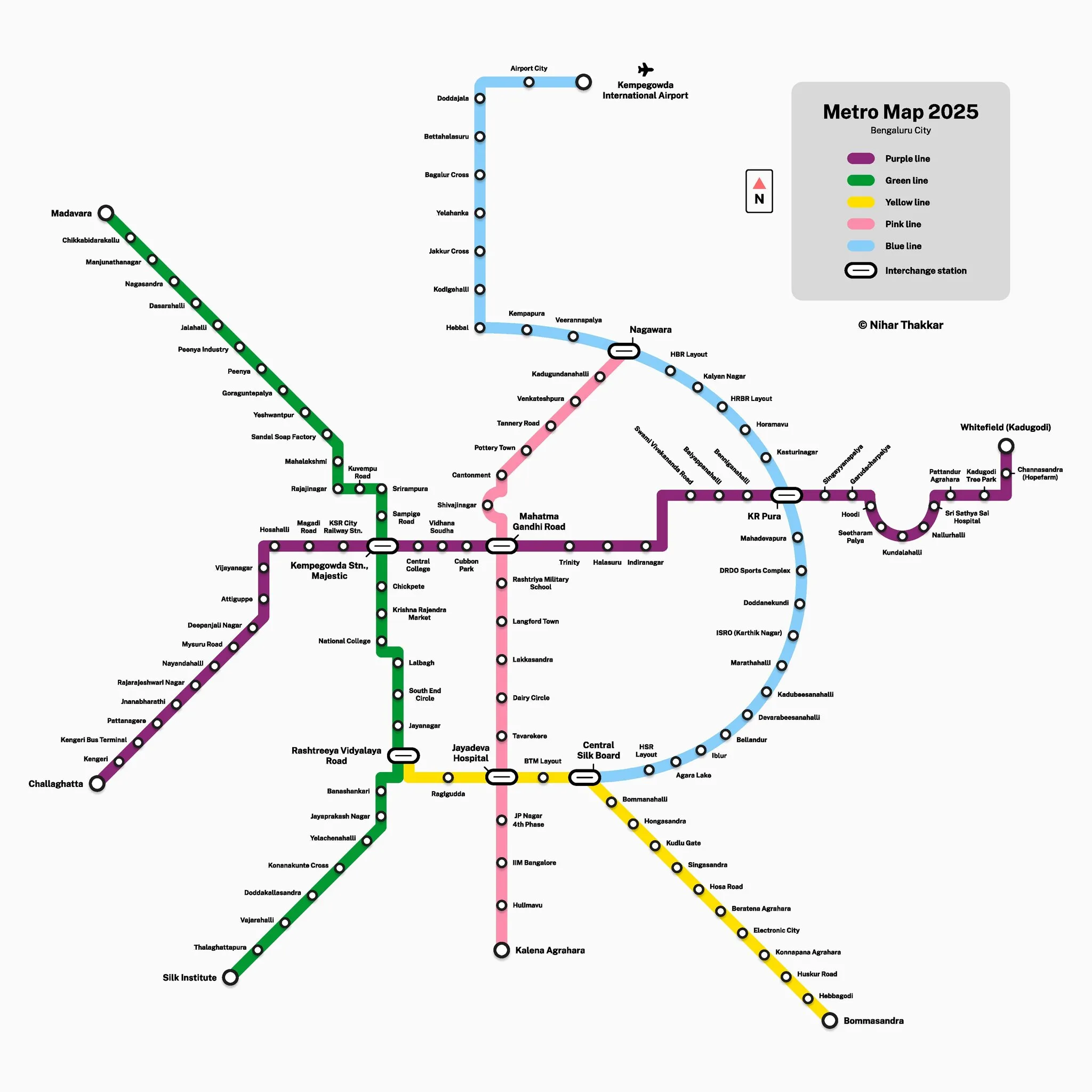
- Development of mass transit options
These enhancements have made commuting easier and improved connections with central Bangalore. Better accessibility usually leads to increased demand, especially from professionals looking for shorter travel times and a higher quality of life.
Employment Hub Expansion
This region is home to several major tech parks, corporate offices, and business centers. Whitefield stands out as one of India’s top IT hubs, attracting multinational companies and tech firms. With so many job opportunities available, the demand for nearby housing is on the rise, making it easier for people to live close to work.
Social & Urban Amenities
This corridor now features a wealth of social infrastructure, including international schools, multispecialty hospitals, shopping complexes, and lifestyle venues. The growth in these amenities boosts livability and attracts both families and professionals.
All these factors together have led to a significant increase in property values, with a remarkable 2.5× rise since 2020.
Patterns of Investor & End-User Participation
When it comes to real estate, investors and homebuyers have different goals in mind. Investors often look for future capital gains through price appreciation, while end users focus on convenience, lifestyle, accessibility, and the features of the community.
In the Sarjapur–Whitefield corridor:
- End users are attracted by how close they are to their workplaces and local amenities.
- Investors keep an eye on infrastructure developments and the fundamentals of long-term demand.
- The market activity showcases a blend of both user segments, adding richness to the demand.
The strong demand from end users, combined with investor interest, creates a lively pricing environment that often enhances price stability and growth potential.
Price Index Behavior: Understanding “2.5× Since 2020”
A 2.5× appreciation indicates that, on average, property values in the corridor have risen by roughly 150% from 2020 to now.
It’s essential to understand what this number really means:
Not a Guarantee, But a Trend Indicator
This isn’t a promise of returns for specific properties.
What it does represent is a trend seen across various residential segments in the corridor.
Instead of taking this data as a direct prediction of future returns, consider it a long-term trend indicator. It highlights that, historically, prices in this micro-market have shown significant upward movement compared to the broader regional averages.
Ever-Changing Market Conditions
Property markets are influenced by larger economic trends, job cycles, policy shifts, and changes in interest rates. While long-term price trends tend to smooth out the bumps of short-term fluctuations, it’s important to keep this in mind.
The Connection Between Price Appreciation and Location Fundamentals
Location is undoubtedly the most important factor influencing property value. Key elements that drive long-term price increases include:
- Good connectivity to employment centers
- Access to quality education and healthcare facilities
- Closeness to developing infrastructure
- Consistency in urban planning and zoning regulations
The Sarjapur–Whitefield corridor embodies many of these fundamentals, shedding light on the appreciation trends we’ve seen since 2020.
How Corridor Appreciation Relates to Abhee Codename New Dimension
When you’re looking at a residential area for its long-term value, it’s important to think about how a project fits into the larger market picture.
Abhee Codename New Dimension is located right on the Varthur–Sarjapur Road, in the heart of a corridor that’s been seeing some impressive growth. This prime spot offers:
- Close proximity to major job hubs like Whitefield and the Outer Ring Road
- Easy access to both established and up-and-coming infrastructure
- Nearby social amenities, including schools, hospitals, and shopping centers
Abhee Codename New Dimension shares key characteristics with the location fundamentals that have traditionally fueled price increases in the corridor.
Keep in mind that the real performance of a property is influenced by several specific factors, including:
- Unit configuration
- Floor level
- Demand and supply dynamics
- Market cycles
Nonetheless, having a good understanding of location trends can really help in evaluating long-term value.
Investor Confidence and Market Signals in East Bangalore
Investor confidence in the real estate market is typically assessed through several important metrics:
- Ongoing price appreciation
- Absorption rates for new launches
- Transaction volumes
- Trends in rental occupancy
Looking specifically at the Sarjapur–Whitefield corridor:
- Various segments have maintained strong transaction activity, even when the overall market has slowed down
- The area’s reputation as a hub for both employment and living keeps interest levels high
These indicators work together to create a sense of confidence among both investors and end users, which in turn influences the pricing dynamics in the corridor.
Price Appreciation vs. Speculation: What You Need to Know
It’s important to differentiate between:
- Price appreciation – the long-term, structural increase in value
- Speculation – short-term trading based on perceived demand
Appreciation is a reflection of the true balance between supply and demand, while speculation relies on short-lived market sentiment.
In East Bangalore, the remarkable 2.5× rise since 2020 should be seen as a fundamental trend, influenced by the area’s core attributes, rather than just a series of short-term speculative spikes.
What Homebuyers & Investors Should Know
When it comes to understanding price trends and ROI, here are some key points to remember:
- Always consider multi-year data rather than just quarterly changes.
- Be aware of the infrastructure context.
- Look into employment and social fundamentals.
- Assess how particular locations align with broader corridor dynamics.
Long-term value appreciation is usually more significant when supported by structural advantages, such as those present in the Sarjapur Whitefield corridor.
Conclusion
Property price appreciation is one of the key indicators of how healthy the real estate market is. In the Sarjapur–Whitefield / Varthur–Sarjapur corridor of East Bangalore, we’ve seen a significant rise in property values since 2020, with residential segments experiencing an impressive 2.5× increase.
This trend isn’t just about guaranteed returns; it emphasizes the role of connectivity, urban expansion, and job growth in driving residential demand. For areas within these corridors, like Abhee Codename New Dimension, understanding these structural dynamics is essential for grasping how accessibility and market fundamentals interact over time.
By focusing on location fundamentals, infrastructure context, and demand drivers, homebuyers and investors can make more informed decisions about long-term residential value trends. Other projects in East Bangalore with good appreciation are Godrej Vanantara, Brigade Belvedere and upcoming NVT Villas near Greenwood.
Frequently Asked Questions (FAQs) on Property Price Appreciation in East Bangalore
1. What is meant by property price appreciation in real estate?
Property price appreciation refers to the rise in a property’s market value over time. This increase is typically driven by factors such as location, infrastructure improvements, demand, and economic growth.
2. How has the Sarjapur–Whitefield corridor been performing since 2020?
The residential property market in the Sarjapur–Whitefield and Varthur–Sarjapur corridor has seen impressive growth since 2020, with market trends indicating a strong potential for long-term appreciation.
3. What does “2.5× price growth since 2020” mean?
A 2.5× growth means that the average residential prices in this area have seen a significant increase over the years, showing that there’s been a steady demand rather than just temporary market changes.
4. Why do infrastructure corridors experience higher price appreciation?
Infrastructure corridors gain from better connectivity, easier access to jobs, and thoughtful urban planning, all of which boost housing demand and help prices grow steadily over time.
5. Is property price appreciation the same as guaranteed ROI?
No, they’re not the same. Property price appreciation shows you the trends from the past and the market, while ROI can change based on things like when you buy, how long you keep the property, the state of the market, and the specific characteristics of the property.
6. Why is East Bangalore considered a strong residential growth zone?
East Bangalore stands out as a prime area for residential growth due to its blend of job centers, improving infrastructure, and well-developed social amenities. This makes it one of the most consistently growing residential neighborhoods in the city.
7. How do location trends relate to projects like Abhee Codename New Dimension?
The value of projects like Abhee Codename New Dimension, located on Varthur–Sarjapur Road, is closely linked to the location trends in high-growth corridors. These projects thrive on the same factors that are driving appreciation in the area.
Recent Posts
-
Upcoming Infrastructure Developments in East Bangalore
-
Master-Planned Townships in East Bangalore: How Integrated Living Is Shaping Urban Growth
-
Whitefield Sarjapur Road Real Estate Growth Analysis 2026
-
Gunjur–Varthur Micro-Market Growth Analysis (2026 Outlook): From Peripheral Village to Growth Node
-
Work-Life Integration in IT Corridors: Living Near Ecospace, RMZ & ITPL in East Bangalore
-
Abhee Celestial City Phase 2
-
Namma Metro Phase 3A: How the Hebbal-Sarjapur Red Line Will Impact Property Prices in Gunjur and Sarjapur Road (2026)